Skip to content
W Kunsthaus Wanderwege
What we cover

Independent guides to Switzerland

From the cog railways of the Bernese Oberland to the lakeside promenades of Ticino, this is our complete catalog — honest reviews, real prices in CHF, and the practical detail that tourist boards leave out.

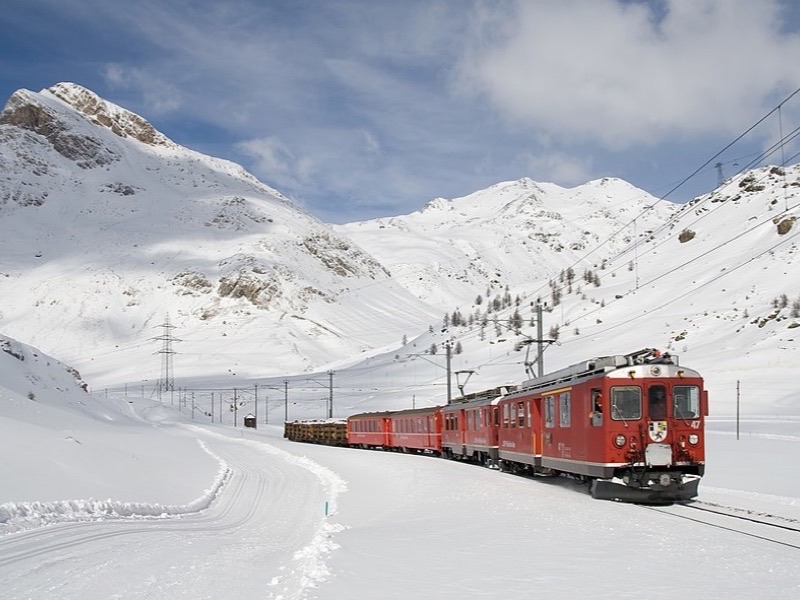
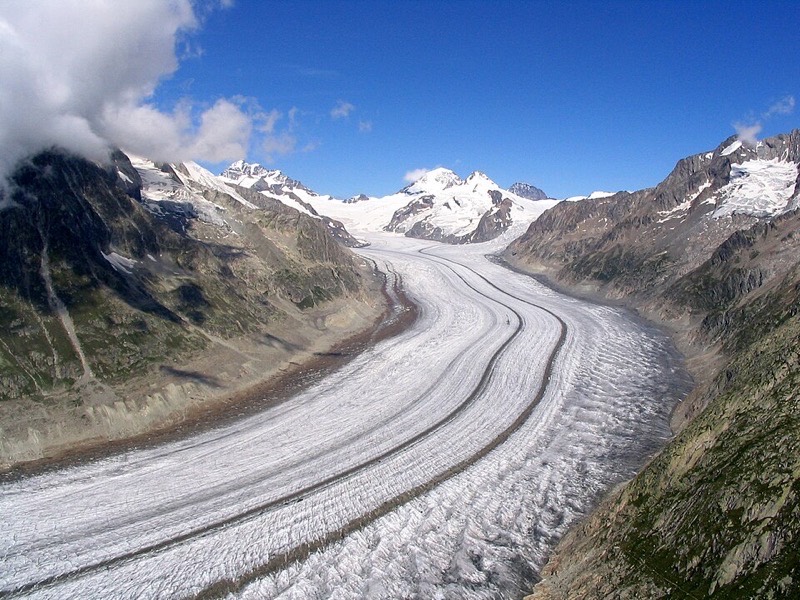
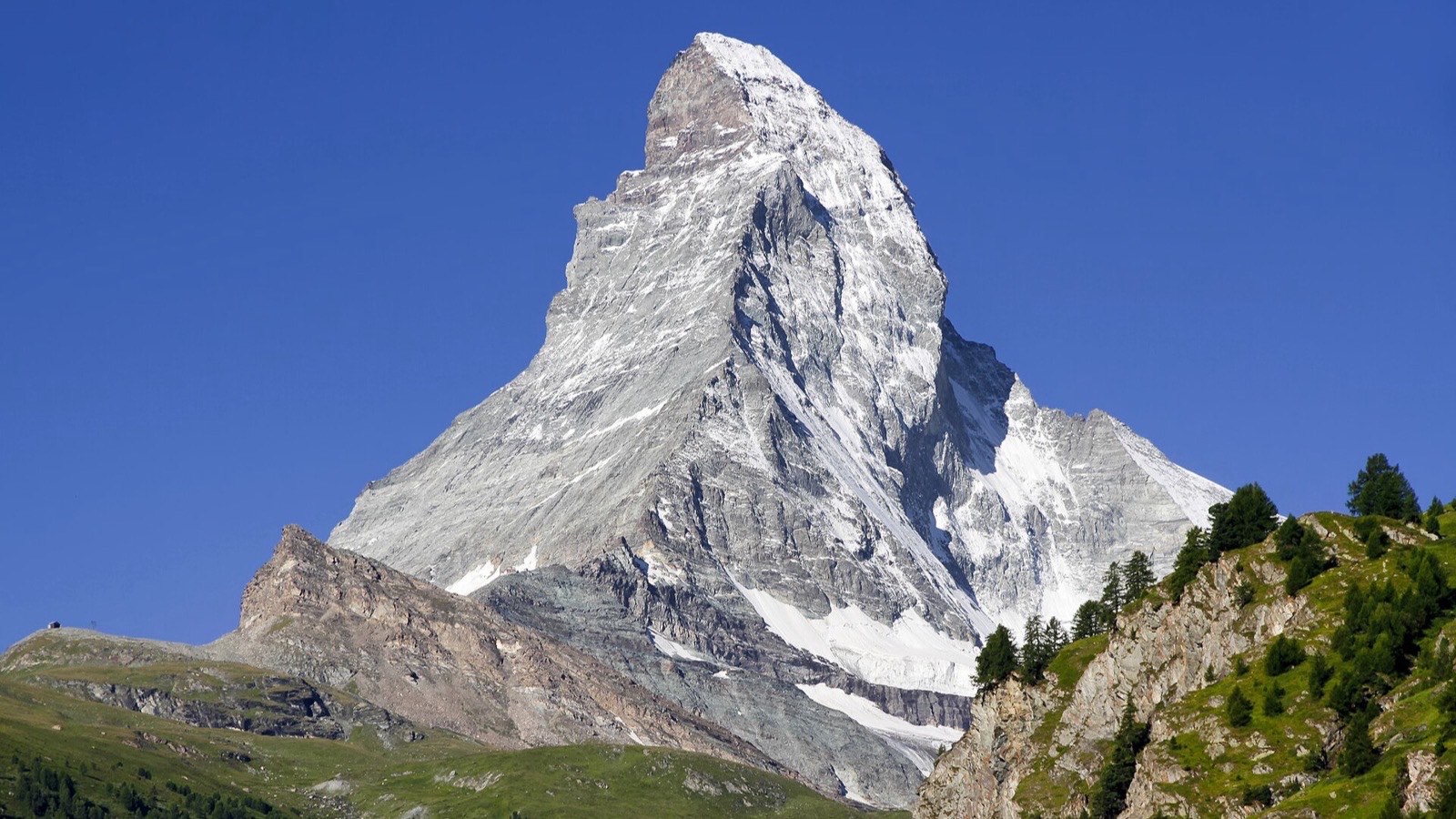
Swiss alpine panorama with mountain railway and glacial lake below
Our editorial approach

What makes a Kunsthaus Wanderwege review different

We are not a booking agency, an affiliate portal or a partner of Swiss Tourism. Every destination in this catalog has been visited by our editorial team without press passes or complimentary tickets. That independence costs us potential revenue and earns you something more valuable: an unfiltered opinion on whether a journey is actually worth the time and money.

Switzerland has one of the densest networks of mountain railways, cableways and lake steamers in the world — over 900 cableways and 5,000 km of dedicated hiking routes. Navigating that abundance without wasting a long weekend requires a guide that has already done the legwork. We have stood in queues at Jungfraujoch at 8 a.m., caught the morning light on Lake Oeschinen before the tour buses arrived, and ridden the Bernina Express in both directions to understand which seat faces the best viaduct.

Each review below tells you the best season to visit, a realistic budget in CHF, how to reach the spot from the nearest rail hub, and what to skip if your time is short. We update reviews each spring before the summer season opens. If you want a personally tailored itinerary rather than a catalog entry, visit our contact page to request a route consultation.

For information on multi-day passes that cover several of these destinations in one trip, see our travel passes guide.

Editorial team reviewing a topographic map of the Swiss Alps at a wooden table
Quick reference

Theme comparison at a glance

Use this table to match your travel style and budget before diving into the full reviews below.

Theme Best season Typical cost (CHF) Nearest hub Full review
Mountain Railways Jun – Oct; Dec – Feb (ski) CHF 60 – 220 return Interlaken, Zermatt, Luzern Read →
Alpine Lakes May – Sep CHF 0 – 40 (free shores) Luzern, Thun, Kandersteg Read →
National Parks Jul – Sep CHF 0 – 15 entry Zernez (Engadine) Read →
Art Museums Year-round CHF 18 – 40 adult Zürich, Basel, Bern Read →
Old Towns Mar – Nov CHF 0 (self-guided) Bern, Luzern, Basel Read →
Scenic Train Journeys May – Oct CHF 90 – 280 one-way Chur, St. Moritz, Zermatt Below ↓
Cable Cars & Viewpoints Jun – Oct CHF 35 – 120 return Luzern, Lausanne, Appenzell Below ↓
Seasonal Events Varies by event CHF 0 – 300 Basel, Montreux, Zürich Read →
Family Attractions Jul – Aug CHF 20 – 60 per person Interlaken, Luzern, Zürich Read →
Lake Cruises Apr – Oct CHF 25 – 75 return Geneva, Luzern, Lugano Below ↓
Full catalog

All reviews

Twelve in-depth entries, updated for the 2026 season. Each covers access, cost, and our honest verdict.

Jungfraubahn cog railway ascending through a snow tunnel toward Jungfraujoch
Mountain Railways

Gornergrat, Jungfraujoch & Pilatus: the benchmark rides

Switzerland's three most celebrated mountain railways represent three entirely different engineering philosophies. The Gornergratbahn from Zermatt (CHF 99 return, 33 min each way) is a rack-and-pinion line that deposits you at 3,089 m with an uninterrupted view of the Matterhorn's north face. Crowds peak between 10 a.m. and 2 p.m.; catch the first departure at 7:00 for a near-empty summit. The Jungfraubahn (Interlaken Ost to Jungfraujoch, CHF 218 return without passes) travels through the Eiger for the final leg — a UNESCO World Heritage alignment that remains extraordinary regardless of how many people tell you it is touristy. Come in September when summer crowds have thinned and the first autumn snow has freshened the plateau. Mount Pilatus from Luzern combines a lake steamer, the world's steepest cogwheel railway (48% gradient, CHF 109 round trip), and a gondola descent — making it the most logistically satisfying full-day circuit in central Switzerland. All three accept Swiss Travel Pass or Half Fare Card at reduced rates; see our passes guide for the arithmetic.

Full mountain railways guide →
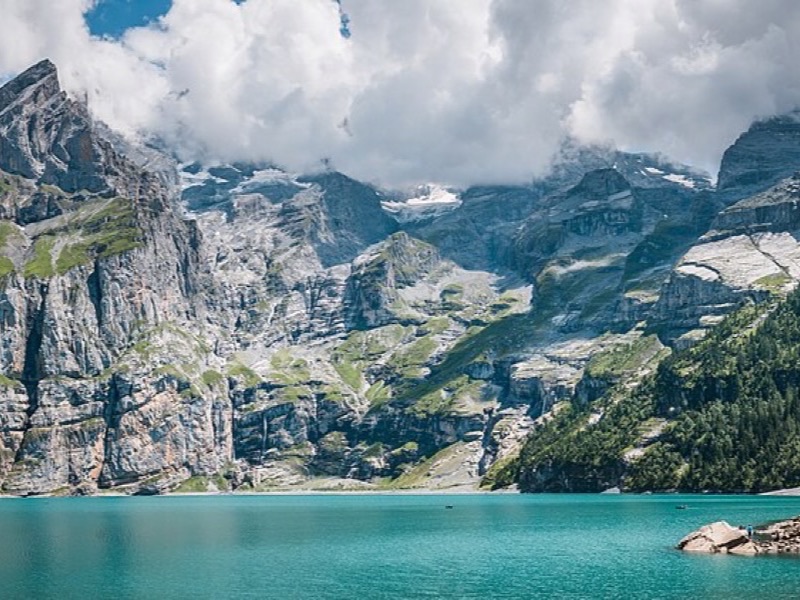
Turquoise waters of Lake Oeschinensee ringed by limestone cliffs above Kandersteg
Alpine Lakes

Oeschinensee, Brienz & Lake Lucerne: water at every altitude

Switzerland's lakes divide into two personalities: the grand pre-Alpine bodies — Geneva, Lucerne, Thun — and the high-altitude cirque lakes, inaccessible by road, that reward the extra effort. Lake Oeschinensee above Kandersteg belongs firmly in the second category. Reached by a short gondola (CHF 26 return) plus a 40-minute walk, it sits at 1,578 m under near-vertical limestone walls rising another 1,500 m above the waterline. The color — opaque glacier-melt turquoise — is not a postcard exaggeration. Arrive before 9 a.m. in July or August to have the shoreline to yourself. Lake Brienz in the Bernese Oberland is smaller than Thun but sharper in its cobalt coloring; the Ballenberg open-air museum on its north shore is one of Switzerland's genuinely unmissable cultural institutions. Lake Lucerne is the structural heart of central Switzerland — a fjord-shaped inland sea flanked by Rigi, Pilatus and the Bürgenstock ridge. The scheduled paddle-steamer Belle Époque fleet (CHF 25–48 depending on route) is operated by SGV and covered by Travel Pass; do not mistake the tourist round-trip boats for the scheduled service, which is both cheaper and more interesting. For detailed itineraries across all major Swiss lakes, visit our dedicated alpine lakes section.

Full alpine lakes guide →
Red deer grazing on a high meadow in the Swiss National Park near Zernez in morning light
National Parks

Swiss National Park, Engadine: one park, uncompromising rules

Switzerland has exactly one national park, and it is managed with a strictness that would surprise visitors used to the more visitor-friendly American or Canadian model. The Parc Naziunal Svizzer in the Lower Engadine near Zernez has no entry fee, but the rules are non-negotiable: you stay on marked paths, you remove nothing, you leave no trace beyond footprints. In return, the park delivers an ecological time-capsule. Since its foundation in 1914 — the oldest national park in the Alps — human intervention has been withheld entirely, and the result is a landscape of mature Swiss pine forest, boulder-filled river valleys and high alpine meadows that operates entirely on its own schedule. Red deer, ibex, chamois and golden eagles are reliably sighted between July and September. The main trailhead village is Zernez (45 min by PostAuto or Rhätische Bahn from St. Moritz), where the park's visitor center provides trail maps and daily wildlife observation data. The 21-km Val Trupchun circuit is the single best full-day walk in the park: 900 m elevation gain, a high pass at 2,383 m, and virtually certain ibex sightings above the treeline. No mountain rescue coverage inside the park boundaries — carry a map and start by 8 a.m. Combine with the nearby Engadine village architecture for a full week's itinerary. See our national parks page for the complete trail breakdown.

Full national parks guide →
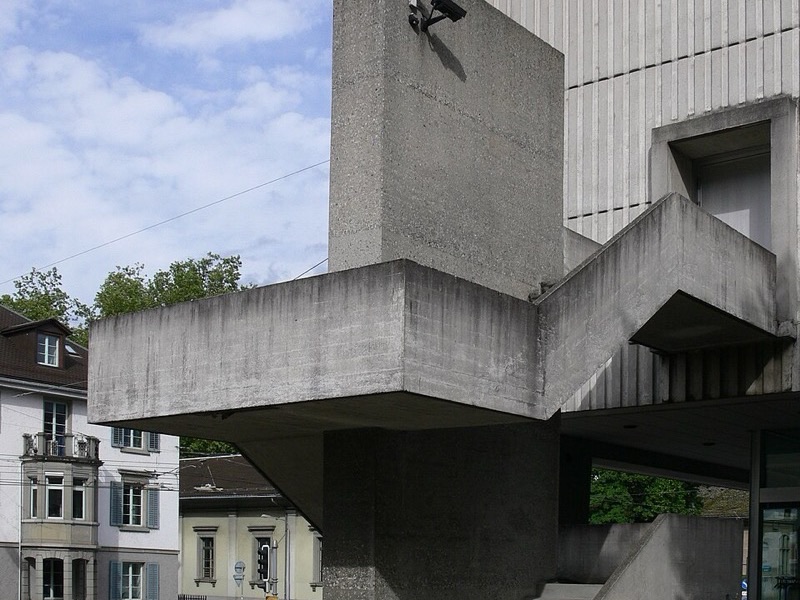
Glass extension of Kunsthaus Zurich designed by David Chipperfield reflecting the sky
Art Museums

Kunsthaus Zürich, Fondation Beyeler & Zentrum Paul Klee

Switzerland punches well above its weight in contemporary and modern art, in large part because its political stability and banking culture created generations of private collectors whose gifts eventually moved into public institutions. The Kunsthaus Zürich — expanded in 2021 with a David Chipperfield wing connected by an underground passage — now houses the largest art museum in the German-speaking world outside Germany. The Chipperfield building's collection concentrates on the 20th and 21st centuries, with exceptional holdings in Giacometti (by volume and quality, arguably the world's best single-institution collection), the Dada movement, and Swiss Constructivism. Adult admission CHF 35, free on the first Wednesday evening of each month. The Fondation Beyeler in Riehen near Basel (CHF 30 adult, tram 6 from Basel SBB, 20 min) ranks among Europe's finest private-turned-public collections: Monet's water lilies hang in rooms with natural light controlled to match the conditions of his studio at Giverny. Renzo Piano's building — low, horizontal, flooded with controlled northern light — is itself worth the visit. Zentrum Paul Klee in Bern (CHF 22 adult) was designed by Renzo Piano in three wave-shaped mounds rising from farmland; it holds 4,000 Klee works, of which roughly 200 are on rotation at any time. For detailed visit planning including combined-ticket options, see our art museums guide.

Full art museums guide →
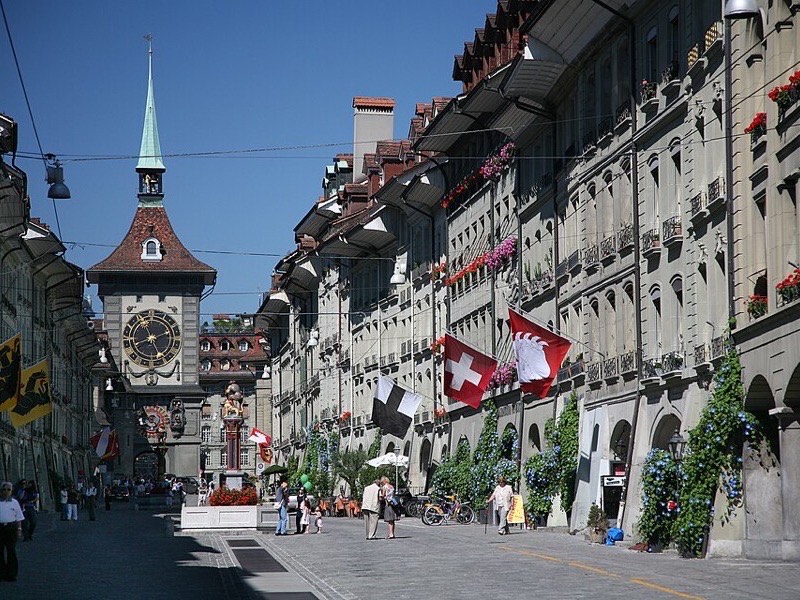
Arcaded medieval streets of Bern old town at golden hour with the Zytglogge clock tower
Old Towns

Bern, Stein am Rhein & Luzern: the medieval grain

Switzerland's medieval urban fabric survived the 20th century in better condition than almost any other central European country, partly because industrialization was lighter and partly because the Swiss simply did not bomb one another. The result is three old towns of genuinely different character worth measuring against each other. Bern's Altstadt (UNESCO World Heritage Site) is built on a narrow sandstone peninsula above the Aare river, covered by 6 km of continuous arcaded walkways — the Lauben — that make the city entirely navigable on foot regardless of weather. The Zytglogge clock tower's astronomical mechanism (1530) runs daily at 11:55 with automated figures; arrive two minutes early. Stein am Rhein on the German border is a smaller bet: a single main street of half-timbered houses with painted facades that functions as a living museum of burgher prosperity from 1450–1650. Avoid weekends in June through August when Rhine cruise passengers overwhelm the narrow lanes. Luzern's old town occupies both banks of the Reuss, connected by the covered Kapellbrücke (built 1333, partially rebuilt after a 1993 fire) whose interior beam paintings are the most-reproduced medieval interior in Switzerland. Entry to the bridge is free; the 17th-century Wasserturm alongside it has no public interior but is photogenic from any angle. All three towns connect directly to the main SBB rail network. Read our full old towns guide for walking route maps and opening hours for museums within each Altstadt.

Full old towns guide →
Basel Fasnacht lantern parade at dawn illuminating carved paper lantern figures in the Innenstadt
Seasonal Events

Basel Fasnacht, Montreux Jazz & Lucerne Festival

Switzerland's festival calendar is anchored by three events that have no useful equivalent anywhere else in Europe. Basel Fasnacht (February or March, three days beginning the Monday after Ash Wednesday at 4 a.m. precisely) is the largest carnival in Switzerland and one of the most architecturally distinctive in the world: the entire city center extinguishes its lights, and several hundred groups of masked figures process through the darkness illuminated only by carved paper lanterns — a practice documented since 1376. Attendance is free; the city's hotels fill months in advance and prices triple. Book before Christmas or arrange accommodation in nearby Freiburg im Breisgau. The Montreux Jazz Festival (July, two weeks) is more expensive — CHF 80–300 for seated concerts, though the free outdoor stages on the lakeside promenade run from late afternoon until midnight. The name is partly a misnomer: the headliner lineup since the 1990s has ranged from Miles Davis to David Bowie to Kendrick Lamar. The Lucerne Festival (August–September, classical music) occupies the Jean Nouvel–designed KKL concert hall and consistently programs the Berliner Philharmoniker, Vienna Philharmoniker, and comparable orchestras. Tickets CHF 50–280. All three events connect directly to main SBB rail stations; driving is inadvisable. For a full seasonal calendar including Zürich Street Parade, Zugerberg Autumn Colors and the Christmas markets of Basel and Bern, see our seasonal events section.

Full seasonal events guide →
Scenic Train Journeys

Glacier Express & Bernina Express: the two benchmark panoramic routes

Switzerland operates eight officially designated panoramic train routes, but two define the category. The Glacier Express (Zermatt to St. Moritz, 7h 45min, CHF 153 second class plus CHF 49 reservation, not covered by Swiss Travel Pass without supplement) markets itself as "the world's slowest express train" — a description it earns by climbing the Oberalp Pass at 2,033 m via 91 tunnels and 291 bridges. The highlight is the Landwasser Viaduct near Filisur: a six-arch limestone structure that curves into a tunnel at its far end in a single unbroken arc. Sit on the right side traveling eastbound for the better approach angle. Travel in May or late September to avoid the summer reservation crush; the SBB panoramic car windows tilt at the top to allow direct skyward photography without reflections.

The Bernina Express (Chur or Davos to Lugano or Tirano, CHF 90–130 second class plus CHF 15 reservation) is a UNESCO World Heritage railway and, in our view, the more scenically rewarding of the two. The section from Pontresina to Ospizio Bernina at 2,253 m is above the treeline for nearly an hour; the Morteratsch Glacier tongue is visible from the train window, retreating visibly year on year since our first review in 2019. The descent to Poschiavo through the circular Brusio viaduct — an S-curve that loses elevation without gaining length — is the engineering set-piece. From Tirano you can continue to Milan in 2h 30min by Trenitalia; the journey from Zürich to Milan via Bernina is seven hours versus two by direct train but categorically different as an experience. Both routes require advance seat reservation in the panoramic carriages; book directly with SBB or Rhätische Bahn. See our passes page for supplement information with Swiss Travel Pass and Interrail.

For the six remaining panoramic routes — GoldenPass Line, Wilhelm Tell Express, Mont Blanc Express, Voralpen-Express, Palm Express, and Centovalli Railway — see our full mountain railways section where each is reviewed with timing and booking notes.

Bernina Express panoramic train crossing the Brusio spiral viaduct on a clear autumn day
Cable car cabin ascending toward Schilthorn above Murren with Eiger north face visible behind
Cable Cars & Panoramic Viewpoints

Schilthorn, Rigi & Harder Kulm: three approaches to the summit viewpoint

Switzerland's cable car network counts over 700 installations, and the temptation is to treat them as interchangeable. They are not. The Schilthorn (2,970 m, Stechelberg to summit via two stages, CHF 109 return without passes) offers the only rotating restaurant in the Bernese Alps — the Piz Gloria, used in the 1969 James Bond film — and a free-standing view of the Eiger, Mönch and Jungfrau that is, on a clear day, spatially more impressive than the view from Jungfraujoch itself, because you are at eye-level with the massif rather than on it. The first and last gondolas are less busy; the fog burns off most mornings by 9:30, so arriving early and waiting is a viable tactic. Rigi, described by Mark Twain in 1878 and still recognizable from his description, is reached from either Vitznau (rack railway, CHF 65 return from Luzern) or Weggis (cable car from the lake). The summit ridge at 1,798 m is wide enough to walk without crowds even on a Saturday afternoon in August, and the sunset Alpine glow — Alpenglow — onto the Bernese Alps from the Rigi Kulm hotel terrace is among the most dependably beautiful hour in Swiss travel. Harder Kulm above Interlaken (funicular, CHF 38 return, 10 min, runs year-round) is less famous but provides the single most useful orientation view in the Bernese Oberland: the Eiger, Mönch and Jungfrau lined up in a single panoramic frame with the two lakes — Thun and Brienz — visible below on either side of the town. A strong planning tool for first-time visitors before committing to the full Jungfraujoch ascent.

Other viewpoints worth noting: Santis (CHF 45 return, Appenzell region, views into six countries on clear days), Niesen (the so-called "Pyramid of Switzerland," CHF 52 return from Mülenen, longer queues but less commercial than Schilthorn), and the free viewpoint at Signal de Bougy above Lake Geneva — reached on foot from Aubonne station in 45 min with no cable car required. For family-specific recommendations on which viewpoints work well with young children, see our family attractions section.

Lake Cruises

Lake Geneva, Lake Lucerne & Lake Lugano: scheduled versus tourist boats

The distinction between the tourist boat and the scheduled lake steamer matters more than it might initially seem. The tourist boat runs a circuit from the main pier, returns to the same pier, and costs twice as much. The scheduled steamer connects actual communities on the lakeshore, is treated as public transport, accepts the Swiss Travel Pass at no extra cost, and carries a mix of commuters, school groups and tourists — which is a considerably more interesting atmosphere. Swiss lakes operate four major steamer networks, all worth riding for different reasons.

Lake Geneva's CGN (Compagnie Générale de Navigation) operates the largest fleet of Belle Époque paddle steamers still in regular service anywhere in Europe — five working steamships from the 1900s–1920s alongside modern vessels. The Lausanne to Montreux run (55 min, CHF 17.60 one-way, covered by Travel Pass) passes the Château de Chillon from the water, which is architecturally more satisfying than the land approach. The full circuit from Geneva to St-Gingolph on the French border and back is one of the longest one-day lake journeys in Switzerland at 9 hours; bring food as the onboard brasserie is adequate but overpriced. Lake Lucerne's SGV network runs four historic paddle steamers alongside a modern fleet; the Uri route south through the Urnersee arm to Flüelen (2h 30min one-way) passes the Rütli meadow where the Swiss Confederation was founded in 1291 according to tradition — a detour of 20 minutes if you disembark and walk the shore. Lake Lugano's Società Navigazione offers shorter crossings but the approach to Gandria — a village technically accessible only by boat or a mountain path — justifies the CHF 25 day pass on its own. For full timetables and advice on which steamer routes interlock with mountain railway excursions, see the relevant sections of our guide.

Belle Epoque paddle steamer on Lake Geneva with Montreux waterfront in the background
Children riding the Masoala Rainforest walkway inside Zurich Zoo above a tropical canopy
Family Attractions

Swiss Museum of Transport, Zurich Zoo & Ballenberg: tested with actual children

Switzerland's family attractions divide sharply between places that claim to be child-friendly and places that demonstrably are. We have tested both categories with children aged 4–14 across three separate research trips and the results are clear. The Swiss Museum of Transport (Verkehrshaus) in Luzern is the best all-weather family day in the country: 21,000 m² of coverage across rail, road, air, water and space transport, with a separate planetarium (CHF 15 supplement), an IMAX cinema (CHF 22 supplement), and a Swiss Chocolate Adventure simulator that children between 6 and 13 regard as unambiguously the best part of the trip. Budget a full day; adult entry CHF 32, child 6–15 CHF 16, Swiss Travel Pass holders free. The museum is a 10-minute walk from Luzern station or 25 minutes by scheduled lake steamer from the main pier.

Zurich Zoo (Zürichbergstrasse, tram 6 from Bellevue, adult CHF 36, child CHF 20) distinguishes itself from comparable European zoos by the Masoala Rainforest Hall — a 11,000 m² sealed tropical greenhouse housing free-ranging lemurs, birds and reptiles in conditions genuinely close to their native habitat. The temperature inside is 25°C year-round, making it an effective rainy-day solution in any season. The gorilla group housed in an 8,000 m² outdoor enclosure is among the most behaviorally complex and watchable in Europe. Ballenberg open-air museum near Brienz (CHF 32 adult, CHF 16 child, bus from Brienz station 10 min) relocates 110 historically significant Swiss farmhouses and craft buildings from across the country to a single 66-hectare site. Craftspeople demonstrate cheese-making, cooperage, linen weaving and smithing on rotation through the week; the schedule is on the museum website. For a full family itinerary linking these three with cable car rides and lake excursions that work for young children, see our dedicated family attractions guide.

Hidden Viewpoints

Rochers-de-Naye, Signal de Bougy & Fronalpstock: the less-obvious summits

Switzerland's most photographed viewpoints — Jungfraujoch, the Matterhorn from Zermatt, the Schilthorn — exist in a state of managed saturation. They remain worth visiting, but their experience is inseparable from the infrastructure built to make them accessible to hundreds of thousands of people annually. The country has dozens of less-documented high points where the ratio of vertical gain to visitor count is far more favorable. Rochers-de-Naye (2,042 m) above Montreux is reached by a narrow-gauge rack railway from Montreux station (MGN, 55 min, CHF 76 return, covered by Travel Pass) that climbs 1,700 m through terraced vineyards and alpine meadows. The summit has a small marmot colony accessible on foot from the terminus — a reliably productive wildlife observation in July and August. The view north across Lake Geneva to the Jura ridge and south to the Dents du Midi is structurally different from the east-facing Bernese panoramas and worth seeking out for that contrast alone.

Fronalpstock above Stoos (reached by Europe's steepest funicular, 110% gradient, from Schwyz, CHF 46 return) is known primarily to Swiss hikers and almost unknown to international visitors. The summit ridge walk to Klingenstock at 1,935 m takes 2h return from the funicular top station and delivers a 360° view including the lake arms of Lucerne and Lauerz visible simultaneously. Signal de Bougy above Lake Geneva near Aubonne requires no cable car: a 45-min walk from Aubonne station on a clearly marked path through vineyards rewards with a view south across the lake to the Mont Blanc massif that is, on clear November or January days, closer and more dramatic than comparable views from summer tourist season. The viewpoint has a restaurant open April–October, free entry to the belvedere platform. For regional context, these viewpoints connect naturally to the lake itineraries and the nearby towns of Nyon and Schwyz.

View from Rochers-de-Naye across Lake Geneva to the Jura ridge on a clear November morning
Traditional Appenzeller cheese wheels aging on wooden shelves in a Herisau dairy facility
Food & Craft Routes

Appenzell, Gruyères & Ticino wine country: the edible Switzerland

Switzerland's food geography is as specific as its topography. The country has six protected designation of origin cheeses, four recognized wine-growing regions, and a chocolate industry whose production-per-capita exceeds every other country in the world. Understanding the regional logic makes the travel more coherent. Appenzell — the smallest full canton in Switzerland by population, in the northeast near St. Gallen — is the center of the Appenzeller cheese appellation, a spiced hard cheese with a protected herbal brine recipe known to only two people at any given time according to the manufacturer. The dairy show facility at Stein AR (open daily year-round, free entry, bus from Herisau station 15 min) is more engaging than it sounds: the production line operates from 9 a.m. and the aging cellar holds upward of 70,000 wheels at any given time. The Appenzell old town itself — one of Switzerland's most intact examples of painted-facade architecture in the eastern tradition — warrants an afternoon regardless of the cheese. Adult day excursion from Zürich: CHF 29 return to Herisau on Swiss Travel Pass routes.

Gruyères in the canton of Fribourg offers a functioning medieval hilltop village (cobblestone main street, 13th-century castle, CHF 14 adult entry) plus the Maison du Gruyère cheese dairy at the base of the hill (CHF 10 adult, CHF 7 child). The combination works well as a half-day from Bern (direct train to Bulle, then narrow-gauge to Gruyères station, 1h 15min total). The village restaurant La Fleur-de-Lys serves a cheese fondue using freshly produced AOC Gruyère; CHF 32 per person for a full fondue plus bread. Ticino, the Italian-speaking canton south of the Gotthard Pass, produces red wine from Merlot grapes on steep lakeside terraces above Lugano and Locarno that has improved markedly since the 2010s and is virtually unknown outside Switzerland. The Cantina Kopp von der Crone near Ligornetto is open for visits on Saturdays in growing season; the Mendrisiotto wine route on foot from Mendrisio station to Riva San Vitale is a 14 km walk through the highest-density Merlot production zone in the country. For seasonal food events including the Zürich Streetfood Festival (May) and the Engadine Nusskuchen season (autumn), see our seasonal festivals page.

Plan your trip

Not sure where to start?

Tell us your dates, interests and base city. We will put together a day-by-day itinerary drawing on these reviews — at no cost, with no affiliate booking links attached.

Request a free itinerary See travel pass options
Common questions

Before you read the reviews

No. Kunsthaus Wanderwege does not accept sponsored content, press passes, free entry, or affiliate commissions from any of the railways, museums or tourism boards reviewed on this site. Every entry price quoted is the public adult rate paid at the counter. We believe this is the only basis on which a travel guide can give genuinely useful advice. Our operating costs are covered by a small number of non-endemic advertisers and by the optional route consultation service described on our contact page.

We update the full catalog each April before the summer season opens. Prices typically change in January when annual tariff adjustments take effect across the Swiss Transport Association network. We note the month of last verification at the top of each individual sitelink page. If you are planning a trip more than three months out, check the operator's own timetable closer to your travel date — Swiss rail operators post the following year's timetable and tariffs in December.

It depends on your itinerary. The Swiss Travel Pass covers all SBB trains, most PostAuto buses, scheduled lake steamers, and gives 50% discount on most mountain railways and cable cars. For a 7-day pass at CHF 399 second class (2026 adult rate), you need to spend roughly CHF 57 per day in transport to break even — achievable if you are visiting mountain attractions, but not if you are staying in one city. The Half Fare Card (CHF 120 for one month) delivers 50% off everything and almost always beats the full pass for itineraries involving fewer than four travel days per week. Our passes guide includes a worked example for three common itinerary types.

For a classic first visit with a 7-day pass, we recommend basing yourself in Luzern (days 1–3) with excursions to Pilatus and the shores of Lake Lucerne, then moving to the Bernese Oberland (Grindelwald or Interlaken, days 3–5) for Jungfraujoch and a morning at Oeschinensee, then finishing in Zürich or Basel (days 5–7) for the Kunsthaus and Fondation Beyeler. This structure covers the three central regions, uses rail connections efficiently, and does not require a rental car. Total transport spend on the 7-day pass is approximately CHF 180 in mountain railway supplements above the pass cost. Contact us for a day-by-day variant tailored to your travel dates and party size.

Yes, though less exhaustively. The Swiss Jura, the Fribourg pre-Alps, Ticino east of Lugano, the Rhine valley between Schaffhausen and Stein am Rhein, and the Bernese Mittelland are all covered in our longer reviews. These regions have lower visitor density and often better value than the established tourist circuit. Stein am Rhein, for example, appears in our old towns section and is, in our view, as architecturally impressive as Luzern's old town while receiving a fraction of the visitors. We plan to expand coverage of the Fribourg Alps and the Val de Travers (absinthe country) in our 2026 autumn update.

Yes. Each review in the catalog notes family suitability in the body text, and our dedicated family attractions section specifically filters for child-appropriate logistics — short walking distances, covered options for bad weather, toilet facilities at the summit, and the practical reality of managing young children on a 120-minute mountain railway. Children under 6 travel free on the entire SBB network; children 6–15 travel free with at least one adult holding a Swiss Travel Pass. The Verkehrshaus in Luzern and Zurich Zoo are the two most reliably successful family days; the Swiss National Park works well for children over 8 who can manage a 4-hour walk.