Skip to content
W Kunsthaus Wanderwege

Independent railway guide

Mountain Railways of Switzerland

From the highest railway station in Europe to the world's steepest cogwheel line — Switzerland's mountain railways are not tourist gimmicks. They are precision-engineered connections to landscapes that would otherwise take two days on foot. This guide covers the routes worth your time, with honest fares, real journey times and the conditions that make or break the trip.

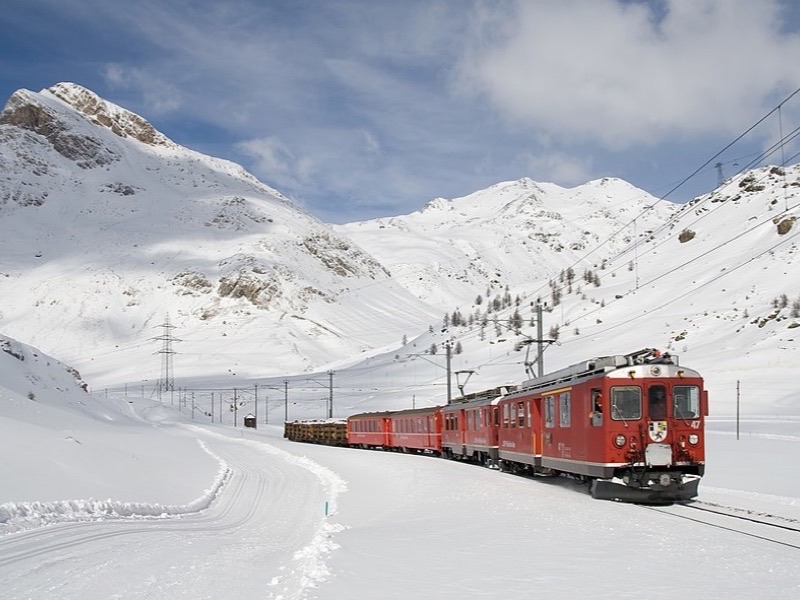
Cogwheel train ascending a Swiss alpine ridge with snow-capped peaks in the background

Why mountain railways are Switzerland's best transport infrastructure

Switzerland has been threading rack-and-pinion tracks up its most improbable ridges since 1871, when the Rigi Bahn opened as the first mountain railway in Europe. The engineering logic was commercial: wealthy visitors from across the continent wanted panoramic views of the Alps without the hazards of guided climbing. What followed was a century of one-upmanship between rival railways and rival peaks, producing a network that now has no parallel anywhere in the world. Visiting multiple summits in a single week is perfectly feasible — and with the right travel pass, not ruinously expensive.

The railways described on this page divide into two categories. Cogwheel or rack-and-pinion lines use a toothed rail between the running rails to grip the train on extreme gradients; they run slowly but can climb slopes that would make an ordinary locomotive slide backwards. Panoramic scenic trains — the Glacier Express and Bernina Express — use conventional rails but cross passes and viaducts that took decades to engineer. Both types reward visitors who plan their timing carefully. Clear mornings, shoulder-season crowds and the right seat orientation are details worth knowing before you book.

For a broader picture of what to combine with a railway day trip — lakes visible from the summit, walking trails that descend from the top station, or old towns reachable on the same day — see our guides to alpine lakes and old towns throughout this site.

Red mountain railway carriage on a viaduct above a Swiss valley in autumn

Key railways at a glance

Return fares and altitudes for the 2025–2026 season. Swiss Travel Pass holders receive a 25–50% discount on most lines; Jungfraujoch has separate Good-Morning pricing.

Railway Summit / Top station Altitude (m) Return fare (CHF) Depart from Journey up
Jungfraujoch (JB) Jungfraujoch — Top of Europe 3,454 CHF 230 / CHF 145 Good-Morning Interlaken Ost / Grindelwald approx. 2 h
Gornergrat Bahn Gornergrat 3,089 CHF 99 Zermatt 33 min
Pilatus Bahn Pilatus Kulm 2,132 CHF 72 (cogwheel only) Alpnachstad (near Lucerne) 30 min
Rigi Bahnen Rigi Kulm 1,797 CHF 72 Vitznau or Arth-Goldau 35–45 min
Schilthorn / Piz Gloria Schilthorn 2,970 CHF 124 Stechelberg or Lauterbrunnen 32 min cable car
Glacier Express Oberalp Pass (en route) 2,033 (pass) CHF 153 + CHF 33 reservation Zermatt 7 h 45 min to St. Moritz
Bernina Express Ospizio Bernina 2,253 CHF 67 + CHF 13 reservation Chur or St. Moritz 2 h 30 min to Tirano

Six railways reviewed in depth

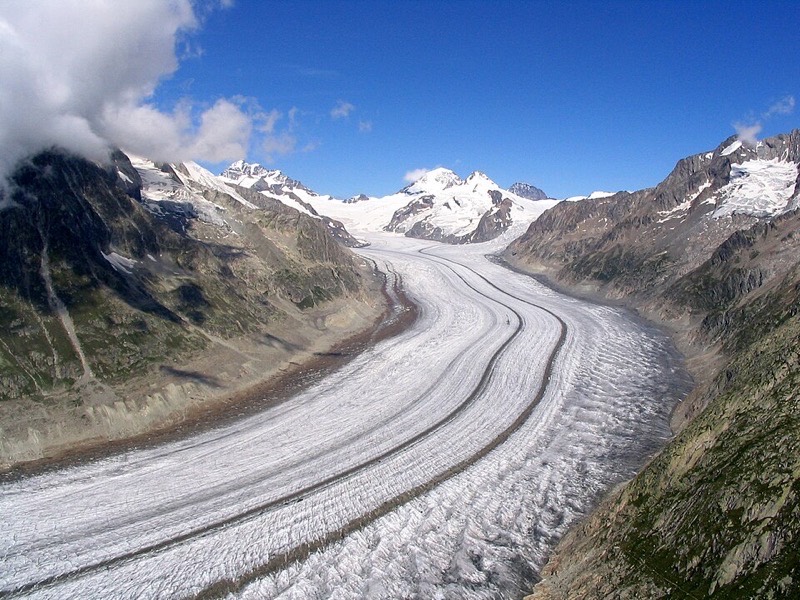
Jungfraujoch railway station in winter with glacier stretching to the horizon
3,454 m — Top of Europe

Jungfraujoch Railway

The Jungfrau Railway climbs from Kleine Scheidegg through a 7.3 km tunnel bored directly through the Eiger and Mönch to emerge at 3,454 m — the highest railway station in Europe. The return fare is CHF 230 from Interlaken Ost, but the Early-Bird Good-Morning ticket drops to CHF 145 if you board the first train before 08:00 and descend by 13:00. Facilities at the top include the Sphinx Observatory, the Aletsch Glacier viewpoint and an ice palace carved into the glacier itself. Allow a full day from Interlaken and take the first departure: cloud typically builds over the summit from midday onward. The ride from Grindelwald Terminal via the Eigergletscher section of the V-Cableway is a practical alternative that reduces the rack-railway segment.

Ask about Jungfraujoch itineraries →
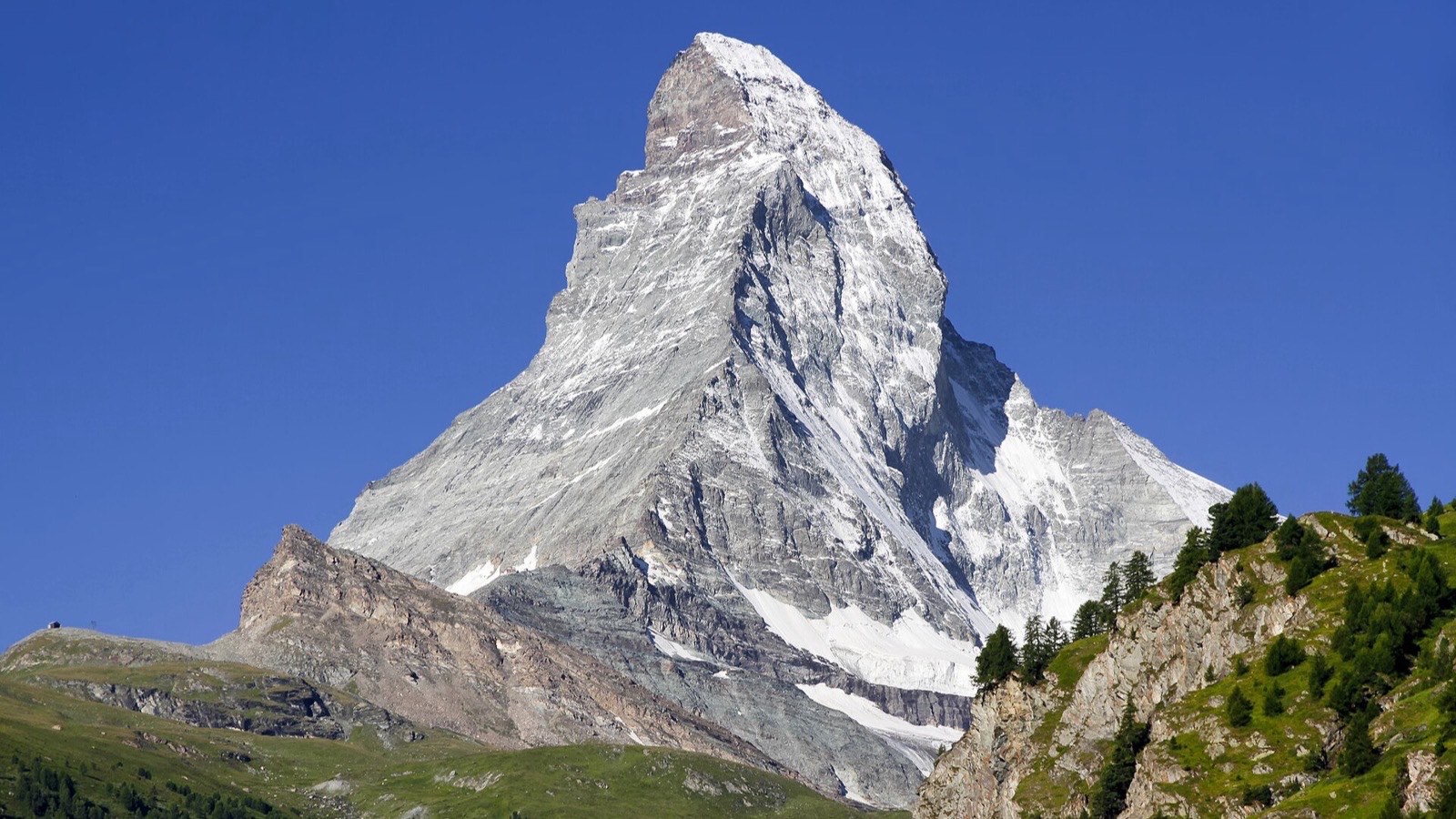
Gornergrat cogwheel train with the Matterhorn pyramid visible behind snowy ridges
3,089 m — Zermatt

Gornergrat Bahn

The Gornergrat Bahn departs from Zermatt station — already at 1,608 m — and reaches the Gornergrat ridge in 33 minutes, stopping at Riffelalp (2,222 m), Riffelberg (2,582 m) and Rotenboden (2,815 m) along the way. Return fare is CHF 99 without any pass discount. The summit directly faces the Matterhorn across the Gorner Glacier, offering a composed view of the pyramid that the Zermatt valley floor cannot match. Sunrise and sunset trips are especially worthwhile in clear weather. Zermatt itself is car-free and reached by the Matterhorn Gotthard Bahn from Visp or Brig; factor in an additional 90 minutes from Bern or Zurich by inter-city train. The glacier visible from the summit — the Gorner Glacier — is one of the largest in the Alps and can be studied from the Kulmhotel Gornergrat's public terrace without purchasing a hotel meal.

Plan your Zermatt day →
Pilatus cogwheel railway carriage on a near-vertical rock face above Lake Lucerne
2,132 m — Steepest cogwheel railway

Pilatus Bahn

The Pilatus Bahn between Alpnachstad and Pilatus Kulm has held the world record for the steepest cogwheel railway since 1889, with a maximum gradient of 48%. The ascent takes 30 minutes and covers 4.6 km using the Locher rack system — the only design capable of handling such a slope safely. Return fare by cogwheel alone from Alpnachstad is CHF 72; the popular Golden Round Trip from Lucerne adds the lake steamer to Alpnachstad and a gondola-cable car descent to Kriens for approximately CHF 112. The summit plateau has two hotels, a cave restaurant, walking trails and an unobstructed view south across Nidwalden toward the Uri Alps. Alpnachstad is 14 km from Lucerne by road or 20 minutes by steamer from Lucerne's Bahnhofquai landing stage — the lake approach is the more scenic option. Combine with our alpine lakes guide for details on the steamer routes.

Ask about the Golden Round Trip →
Rigi Bahn red train crossing a meadow slope above Lake Lucerne in summer
1,797 m — Queen of the Mountains

Rigi Bahnen

Rigi Kulm is the more accessible of the two great summits visible from Lucerne — lower than Pilatus, but arguably more rewarding on clear mornings when it rises above the fog that fills the Swiss Mittelland. The mountain is served by two rack railways: from Vitznau on Lake Lucerne's south shore (35 minutes, departs every 30 minutes in summer) and from Arth-Goldau on the rail corridor between Zug and Lucerne (45 minutes). Both are operated by Rigi Bahnen and cost CHF 72 return from the respective valley stations. Swiss Travel Pass holders travel free on both lines — one of the few mountain railways where the pass covers the full fare. The summit plateau at 1,797 m has a hotel, a meteorological station and views across lakes Lucerne, Zug and Lauerz on good days. The descent via a different line — up from Vitznau, down to Arth-Goldau — makes a natural loop without retracing your route.

Plan a Rigi loop →
Schilthorn cable car cabin ascending above Lauterbrunnen valley with Eiger and Jungfrau in view
2,970 m — Piz Gloria / Bond location

Schilthorn Cable Car

The Schilthorn ascent is technically a series of four cable car sections rather than a rack railway, but its scale, altitude and the panorama at the top place it firmly in this category. The line runs from Stechelberg in the Lauterbrunnen valley — also reachable from Lauterbrunnen village itself via a lower gondola — to Piz Gloria at 2,970 m in 32 minutes. Return fare from Stechelberg is CHF 124; from Lauterbrunnen the fare adds approximately CHF 20. The summit revolving restaurant Piz Gloria rotates once per hour and faces the north wall of the Eiger directly. The view north along the Bernese Oberland shows Thun, Interlaken and — in exceptional visibility — the Jura range. Unlike Jungfraujoch, the Schilthorn rarely experiences crowds that require queuing for more than 20 minutes, and its last descent from the summit is at 17:45 in summer, giving a long afternoon window.

Ask about Lauterbrunnen day trips →
Glacier Express panoramic train crossing a stone viaduct above a deep alpine gorge
Zermatt → St. Moritz — 291 km

Glacier Express & Bernina Express

The Glacier Express markets itself as the slowest express train in the world — eight hours from Zermatt to St. Moritz across 291 km, 91 tunnels and 291 bridges, crossing the Oberalp Pass at 2,033 m. It is operated jointly by Matterhorn Gotthard Bahn and Rhätische Bahn; a seat reservation (CHF 33 in high season) is mandatory regardless of pass type. The panoramic windows slant slightly inward at the top to capture the sky — choose window seats on the right side for the upper Rhône valley and left side for the approach to Chur. The Bernina Express from St. Moritz to Tirano covers the other UNESCO World Heritage rail route in the Rhaetian Railway network, crossing the Bernina Pass at 2,253 m and descending through Italian-speaking territory to Tirano in 2.5 hours. For travellers combining both, a stopover night in the Engadine between the two journeys is strongly recommended — St. Moritz village, despite its reputation, has budget-friendly guest houses away from the luxury hotel strip. See our seasonal events calendar for special heritage train departures in summer and winter.

Build a Glacier + Bernina itinerary →

How to sequence a mountain railway week

A logical five-day circuit based on geography, not marketing. Moving west to east keeps transfers short and avoids doubling back.

Day 1 — Arrive Lucerne, ride Rigi or Pilatus

Lucerne is the natural entry point for visitors arriving from Zurich Airport (1 hour direct) or Basel (1 hour). Both Rigi and Pilatus are reachable as half-day trips, leaving the afternoon for Lucerne's covered bridges and the lakefront. The steamer connection to Alpnachstad for Pilatus takes 90 minutes each way from Lucerne's Bahnhofquai but is one of the most scenic approaches on the lake. If the weather is marginal, reverse the order and check the MeteoSwiss summit webcam before committing to the ascent. Lucerne is also the best base for visiting the Rosengart Collection and other cultural stops on a rain day.

Day 2 — Interlaken and Jungfraujoch

Transfer from Lucerne to Interlaken Ost takes 1 hour 55 minutes via the Brienz route, which follows the north shore of Lake Brienz — arguably more scenic than the direct motorway corridor. Arrive the night before if possible and take the first train up to Jungfraujoch using the Good-Morning ticket for CHF 145. Descend by 13:00, which still leaves the afternoon for a walk in Grindelwald or a visit to the First cliff walk above the village. Grindelwald is connected to the Jungfrau Railway network via the new V-Cableway gondola link opened in 2020, which also serves as the fastest descent if you want to skip the full rack railway return.

Day 3 — Lauterbrunnen and Schilthorn

Lauterbrunnen is 20 minutes by train from Interlaken Ost and sits at the entrance to a valley with 72 named waterfalls, including Staubbach Falls which drops 297 m directly above the village. The Schilthorn ascent departs from Stechelberg at the valley's head — take the PostBus from Lauterbrunnen station (20 minutes). On the descent, stop at Mürren (1,638 m), a car-free village on the cliff terrace above the valley, for lunch before returning to Lauterbrunnen by cable car and mountain railway. Mürren is also the starting point for the Northface Trail walking route with direct views of the Eiger north wall — see our national parks and trails guide for detail on graded alpine walks accessible from railway stations.

Day 4 — Transfer to Zermatt, Gornergrat at dusk

Interlaken Ost to Zermatt takes 3 hours 20 minutes via Spiez, Visp and the Matterhorn Gotthard Bahn. Arrive mid-afternoon and take the late afternoon Gornergrat train — departures continue until approximately 19:00 in summer — to catch the Matterhorn in the long evening light. The summit Kulmhotel serves dinner with advance reservation; the last train down leaves around 22:00 during the summer solstice timetable. This schedule also allows a full morning the following day for the Riffelsee reflection walk, where Riffelsee lake mirrors the Matterhorn on calm mornings, reachable from the Rotenboden station stop.

Day 5 — Glacier Express to St. Moritz or onward to Chur

The 08:02 Glacier Express departure from Zermatt is the recommended train for clear morning light through the Matter Valley and Goms region. Arrive St. Moritz at approximately 16:00. If time allows, continue the same day on the Bernina Express to Tirano and connect to Lugano via Italian regional trains for an overnight in Ticino — a region culturally distinct from German-speaking Switzerland and easily paired with a visit to the family-friendly attractions of the Swiss Italian lakes. For a shorter circuit, exit at Chur (3 hours from Zermatt) and return directly to Zurich in under 90 minutes.

Practical notes: passes, timing and booking

The Swiss Travel Pass covers unlimited travel on the SBB national network and grants free passage on most PostBus routes and lake steamers. On mountain railways it typically gives a 25% to 50% reduction rather than free travel — Rigi is the notable exception where the pass covers the full fare. The Jungfrau VIP Pass (CHF 245 for 3 days, 2025 pricing) covers unlimited travel within the Jungfrau region including the top station and is cost-effective if you plan to ascend more than once or combine with the First Gondola above Grindelwald. The Bernina and Glacier Express both require a separate seat reservation fee regardless of pass type; seat reservations open 90 days in advance and sell out in July and August within days of opening.

Webcams are the most reliable tool for forecasting summit conditions. MeteoSwiss publishes hourly summit observations at Jungfraujoch, Pilatus and Santis; the individual railway websites for Gornergrat and Schilthorn have live cameras updated every 10 minutes. A general rule: if the cloud ceiling at valley level is below 1,500 m at 07:00, delay your departure by at least two hours — fronts typically clear by mid-morning in the Bernese Oberland more reliably than in the Valais. On the Glacier Express, cloudy conditions at valley level are not problematic because the most dramatic scenery — the Landwasser Viaduct, the Rhine Gorge near Ilanz, the descent into the Engadine — is below 1,000 m elevation.

Luggage: most mountain railway stations have left-luggage lockers at the valley base station, but not at the summit. Pack a day bag with layers for the summit — temperature drops roughly 6.5 °C per 1,000 m of ascent, meaning that a comfortable 22 °C in Interlaken can translate to 2–4 °C at Jungfraujoch even in July. Sunscreen at altitude is a practical necessity rather than a precaution: UV intensity increases approximately 10% per 1,000 m above sea level. See our travel pass comparison page for a side-by-side breakdown of the Swiss Travel Pass, the Jungfrau VIP Pass and multi-day regional passes.

Frequently asked questions

Get a tailored itinerary

Not sure which railways to combine?

We can build a day-by-day route based on your base cities, travel pass, group size and the forecast. No booking commissions — just independent advice.

Send us your dates