Independent Analysis · 2026 Prices
Swiss Travel Passes: Every Option, One Honest Comparison
The Swiss rail pass landscape is genuinely complex. We have mapped every major product — Swiss Travel Pass, Half Fare Card, Saver Day Pass, Berner Oberland Regional Pass, Tell-Pass — with real 2026 CHF prices, the maths behind each, and a clear verdict on who each pass suits best.
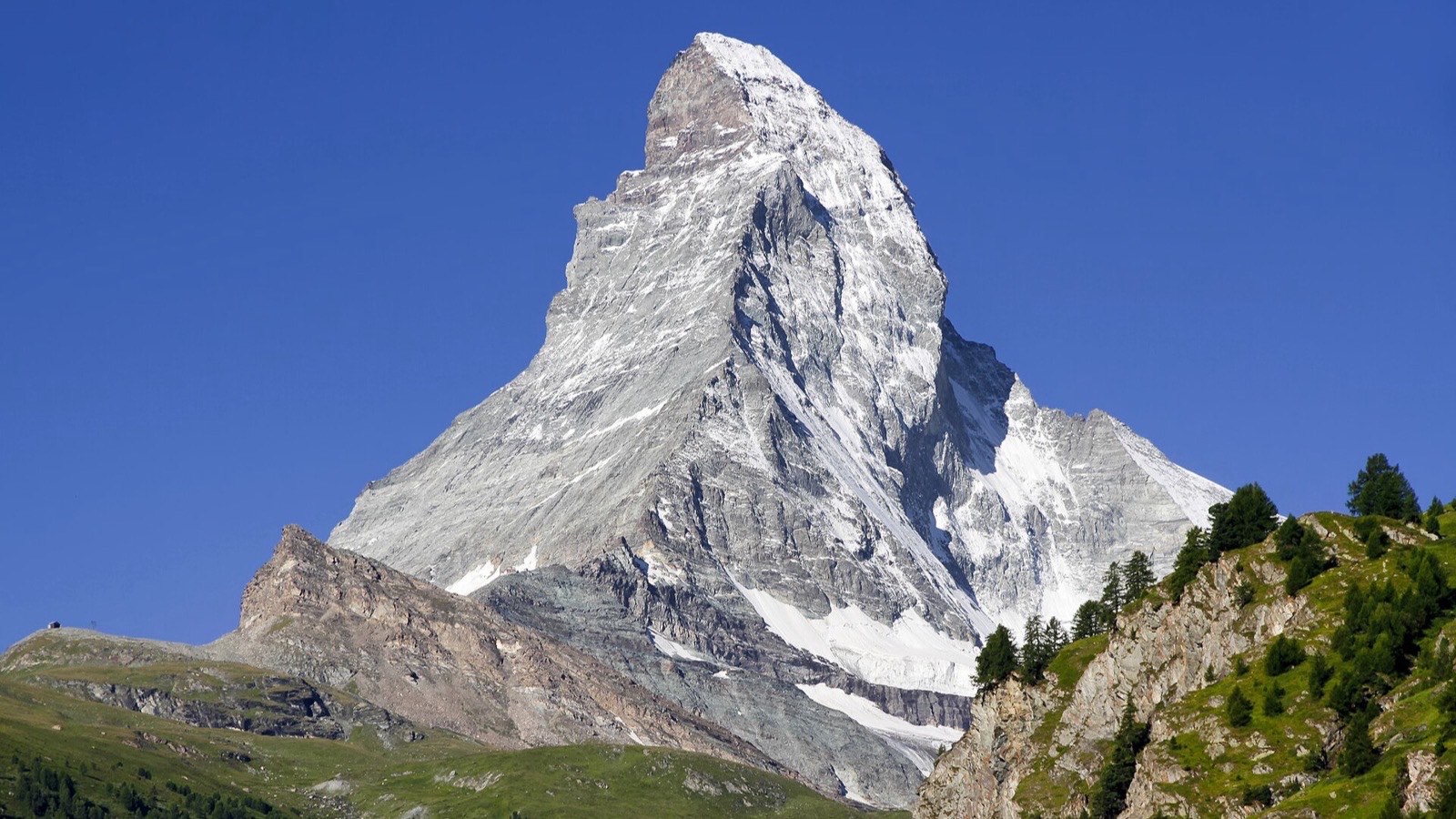
Switzerland operates one of the most integrated public transport networks on earth. Over 24,000 km of coordinated routes — trains, PostBuses, lake steamers, mountain railways and urban trams — run to the minute. The pass system is designed to sell you access to this network wholesale rather than journey by journey. The question is simply which wholesale deal fits your itinerary. The guide below is based on published 2026 SBB and Switzerland Tourism tariffs. We have no commercial relationship with SBB or any transport operator.
Three Main Tiers
Which Pass Fits Your Journey?
We have grouped the pass landscape into three practical tiers based on how much ground you intend to cover. Each card below represents a genuine product category with realistic 2026 pricing.
- 50% off all SBB intercity trains
- 50% off PostBus and lake steamers
- 50% off most urban tram and bus networks
- 50% off many mountain railways including Jungfraubahn access routes
- Stackable with Saver Day Pass for extreme discounts
- Works across all 26 cantons
- No blackout dates or booking windows required
- Best for: residents, repeat visitors, 14+ day stays
- Unlimited 2nd class travel on entire SBB network
- Free on 90+ mountain railways including Rigi and Pilatus
- Free on all lake steamers (Lucerne, Geneva, Thun, Brienz)
- Free entry to 500+ museums including Kunsthaus Zürich
- Free city transport in all major Swiss cities
- 25–50% discount on remaining mountain summits (Jungfraujoch, Titlis, Saas-Fee)
- Available 3, 4, 6, 8 or 15 consecutive days
- Best for: 5–15 day intensive itineraries with daily rail use
- Free travel on selected days within zone (typically 5 of 7)
- 50% on remaining days within zone
- Berner Oberland: Interlaken, Grindelwald, Brienz, Kandersteg
- Tell-Pass: Lake Lucerne, Engelberg, Andermatt, Titlis region
- Lago Maggiore Express and Ticino regional options also available
- Includes local PostBus routes within zone
- Does not cover travel outside defined region
- Best for: region-focused stays of 5–10 days in one valley
The Maths
When Each Pass Actually Pays Off
Swiss rail tickets at full fare are expensive by any European standard. A standard 2nd-class return from Zürich HB to Geneva takes roughly 2 hours 45 minutes on an IC train and costs CHF 192 at full price. Zürich to Zermatt return is CHF 198. Zürich to Lugano via the Gotthard is CHF 148. These are walk-up prices with no advance booking discount on point-to-point fares — the Swiss system does not work that way for most journeys.
The Swiss Travel Pass (8-day consecutive, 2nd class) costs CHF 365 in 2026. If you make four of those major intercity returns in eight days, you have already paid for the pass. Everything else — every tram ride in Bern, every lake steamer on Lake Geneva, every visit to the Fondation Beyeler in Basel or the Zentrum Paul Klee in Bern, every PostBus through an alpine valley — comes free on top. The pass does not need you to be constantly on the move; it simply removes the mental friction of paying for each journey individually.
The Half Fare Card logic is different. At CHF 185 for a full year, it pays off after your third or fourth major rail journey if you travel independently and spread those journeys across several months. For a visitor on a single 14-day trip who wants flexibility — some hiking days with no rail use at all — the Half Fare Card combined with Saver Day Passes (which drop to as low as CHF 14 with the card) often beats the Swiss Travel Pass on raw cost.
Regional passes are the most misunderstood product. The Berner Oberland Regional Pass covers a zone that includes the Schynige Platte, the Brienz Rothorn, the Jungfraujoch access railways and lake boats on the Thunersee and Brienzersee. If you intend to spend your entire week in that triangle between Interlaken, Grindelwald and Kandersteg, the regional pass at CHF 195 for 7 days — with 5 free days — is difficult to beat. The minute you want to go to Lucerne or Zürich, you need to pay separately, which changes the calculation.
The Saver Day Pass: Switzerland's best-kept secret
Few visitors outside Switzerland know about the Saver Day Pass (Superspartageskarte). On any given day, SBB releases a limited number of day passes valid for unlimited 2nd-class travel across the entire SBB network for CHF 29–49. Half Fare Card holders pay half that: CHF 14–24. A standard day of travel from Zürich to Lucerne, out to Engelberg, and back via the Pilatus aerial cableway — paying full fare — would easily cost CHF 120. With a Saver Day Pass and Half Fare Card, the rail and steamer portions drop to around CHF 24 total. The Titlis cable car itself is still a separate ticket at around CHF 98 full fare. But the principle stands: combine the Half Fare Card with Saver Day Passes booked 60–90 days in advance and you have one of the best-value ways to see Switzerland intensively without the commitment of a multi-day consecutive pass.
Side by Side
Full Comparison Table
All prices are 2nd class adult rates as published for 2026. 1st class supplements add roughly 50–60% to pass prices. Youth (under 26) and senior discounts exist for some products.
| Pass | Duration | Price (CHF, 2nd cl.) | Network coverage | Museums included | Mountain railways | Best for |
|---|---|---|---|---|---|---|
| Swiss Travel Pass | 3, 4, 6, 8 or 15 consecutive days | 244 / 279 / 322 / 365 / 515 | Full national SBB network + lake steamers + city transport | Yes — 500+ museums free | Free on 90+ routes; 25–50% on selected summits | Intensive multi-city itinerary, 5–15 days |
| Swiss Travel Pass Flex | 3, 4, 6 or 8 flexible days within 1 month | 279 / 322 / 370 / 420 | Same as consecutive; days chosen freely | Yes — same 500+ museums | Same inclusions as consecutive pass | Mixed itinerary with hiking or rest days |
| Half Fare Card | 1 month or 1 year | 120 (monthly) / 185 (annual) | 50% off all SBB, PostBus, most urban networks | No | 50% off most; some private railways vary | Long stays, repeat visitors, residents |
| Saver Day Pass | 1 calendar day | 29–49 (14–24 with Half Fare Card) | Full SBB network; not lake steamers | No | Not included | Single-day exploration; must book in advance |
| Berner Oberland Regional Pass | 7 days (5 free + 2 half) | 195 | Interlaken zone: Grindelwald, Brienz, Kandersteg, Jungfrau railways, Thunersee/Brienzersee boats | No | Included within zone (Kleine Scheidegg, Schynige Platte, Brienz Rothorn) | Region-focused week in Berner Oberland |
| Tell-Pass | 7 days (5 free + 2 half) or 10 days | 200 / 240 | Central Switzerland: Lake Lucerne boats, Engelberg, Andermatt, Titlis area, Stans, Brunnen | No | Included within zone (Pilatus from Alpnachstad, Rigi, Stanserhorn) | Lake Lucerne and surrounding valleys |
| Junior/Family Card | Free supplement to adult Swiss Travel Pass | 0 (with adult pass purchase) | Children under 16 travel free with a parent holding any pass | Yes — same museums as parent pass | Same inclusions as parent pass | Families — effectively halves the cost per person |
Real Itinerary Examples
How the Numbers Play Out in Practice
Abstract maths is harder to follow than a concrete day. Here are three realistic scenarios drawn from itineraries our readers commonly plan, with honest cost comparisons.
Zürich + Lucerne + Jungfraujoch
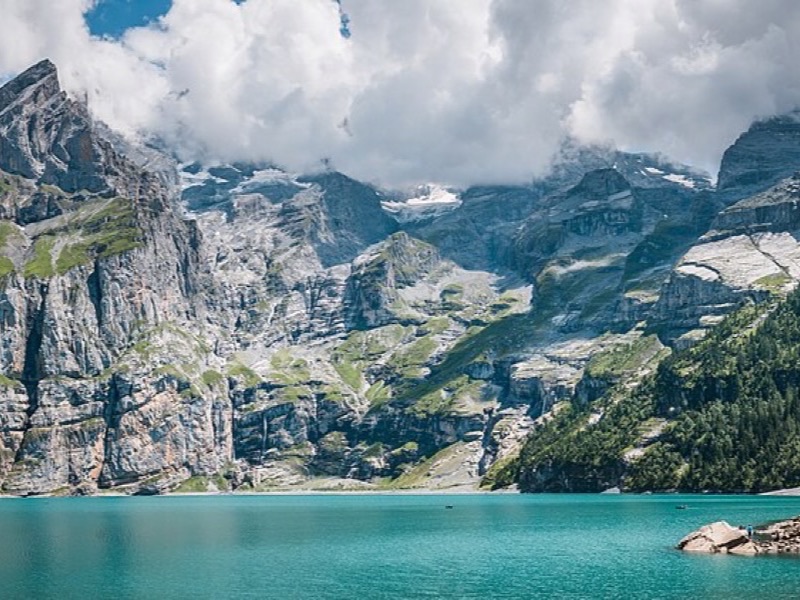
Arriving in Zürich, spending two days exploring the city and the Kunsthaus Zürich (free with Swiss Travel Pass), then travelling to Lucerne for a night, taking a lake steamer to Alpnachstad (free with pass) and ascending Pilatus (free with pass), then an intercity to Interlaken for the Jungfraujoch excursion. Full-fare cost for the rail alone: approximately CHF 310. The 6-day Swiss Travel Pass at CHF 322 covers rail, steamers, city trams and museum entry and saves an estimated CHF 180–220 compared to buying each ticket separately.
Pilatus and Rigi details →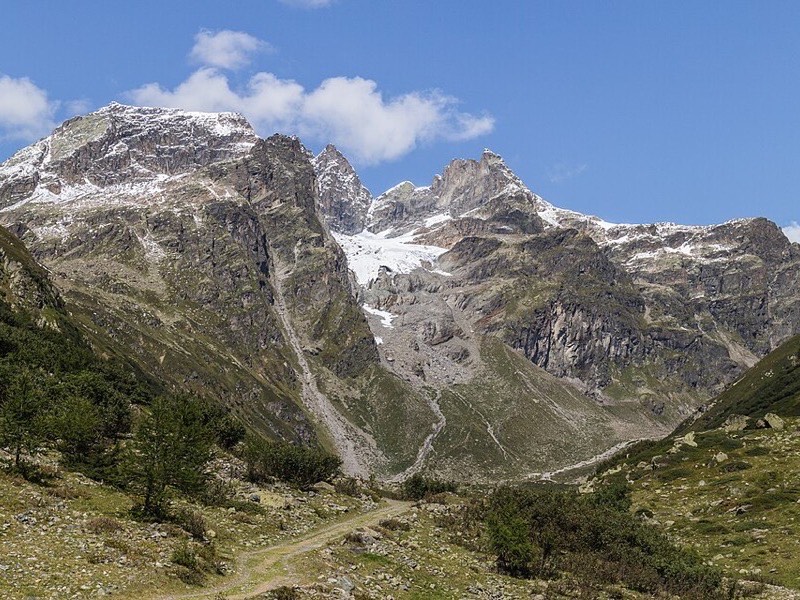
Western Switzerland Arc
Geneva for two nights (Lake Geneva cruise free with pass), Montreux and Château de Chillon by train (free), Gruyères and Murten by PostBus (free), Bern for two nights including the Zentrum Paul Klee (free with pass's museum inclusion), then Basel with the Fondation Beyeler and the old Rhine quarter. Full-fare rail cost alone exceeds CHF 420. The 8-day Swiss Travel Pass Flex at CHF 420 makes the rail, steamers and all six museum entries free across the active days, saving a conservative CHF 200. The Flex variant suits this route because one rest day and one hiking day in the Bernese Prealps involve no rail use.
Lake Geneva guide →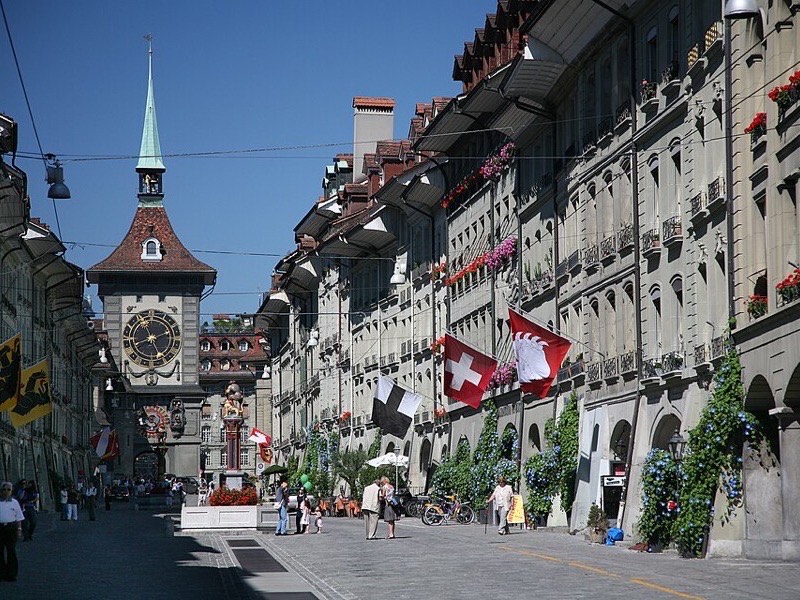
Berner Oberland Deep Dive
Base in Interlaken, day trips to Grindelwald and the Eiger trail, Brienz and the Ballenberg Open-Air Museum, Kandersteg and the Oeschinensee cable car, a boat on the Brienzersee, and a half-day up the Schynige Platte panorama trail. Every single one of these is inside the Berner Oberland Regional Pass zone. At CHF 195 for 7 days this is substantially cheaper than the Swiss Travel Pass for this itinerary. You do not go to Lucerne or Zürich. The regional pass wins clearly here — by roughly CHF 130 compared to a Swiss Travel Pass of equivalent duration.
Swiss alpine parks →Practical Guidance
Six Things to Know Before You Buy
Count your travel days, not your trip days
A 10-day trip with two hiking days and one slow city day means you are actively using rail on seven days. If those seven days each involve multiple legs, the Swiss Travel Pass consecutive for 8 days (starting from your first journey) may cover the whole trip. If your active days are spread unpredictably, the Flex variant is worth the CHF 50–55 premium.
Check exact mountain railway inclusions before assuming
The SBB publishes a full list of which mountain railways are included, which offer 50% and which offer 25% with each pass type. Jungfraujoch is the most commonly misunderstood: the Swiss Travel Pass gives a discount on the final Jungfraubahn segment (Kleine Scheidegg to Jungfraujoch) but the ticket still costs around CHF 55–75 even with the pass. This is worth knowing before you budget. By contrast, the Rigi Bahnen and the Pilatus Bahn from Alpnachstad are genuinely free with the Swiss Travel Pass.
First class is often worth it on overnight or scenic routes
A 1st class Swiss Travel Pass supplement costs around 55% more than the 2nd class base price. On the Glacier Express route (Zermatt to St. Moritz via Andermatt), on the Bernina Express (Chur to Tirano) and on the GoldenPass Panoramic (Montreux to Zweisimmen), 1st class gives panoramic windows, reserved seats and noticeably more space. If you are doing one of these scenic routes as a highlight, upgrading the pass makes sense. For standard IC train hops between cities, 2nd class is entirely comfortable.
The Junior/Family Card eliminates children's fares entirely
If you are travelling with children under 16, the Junior Card (CHF 30 per child as a one-time purchase, or free for one child when you buy a Swiss Travel Pass as an adult) makes all children's journeys free when accompanied by a parent holding any valid Swiss pass. For a family of two adults and two children, this effectively cuts the total rail cost per person by a significant fraction. The Family Card is one of the few genuinely generous aspects of an otherwise premium-priced system.
Reservations are mandatory on certain scenic trains
The Glacier Express, Bernina Express and GoldenPass Panoramic all require a seat reservation in addition to a valid pass. Reservation fees are CHF 13–35 per person depending on the train. These seats sell out in summer — particularly July and August — often 4–6 weeks in advance. Book reservations via SBB or Rail Europe as soon as your travel dates are fixed. The pass alone does not guarantee a seat on these services.
Keep your pass visible and carry ID at all times
Swiss conductors check passes actively, especially on tourist-heavy routes. The digital SBB app displays your pass if purchased electronically, and this is accepted on all routes including mountain railways. If you have a physical pass, keep it in the same pocket as your travel documents. A missing pass during a check results in a full-fare fine plus an administrative surcharge — the system has no sympathy for the honest-mistake scenario.
Common Questions
Frequently Asked Questions
Questions we hear most often from readers planning their Swiss trip. Answers are based on published 2026 SBB and Switzerland Tourism tariff documents.
For most visitors planning 7 or more rail journeys across different regions, yes. A 8-day consecutive Swiss Travel Pass (2nd class) costs around CHF 365. A single return trip Zürich–Zermatt already costs CHF 198 at full fare, so two major journeys alone almost match the pass price. Add daily city transport, lake steamers on the Vierwaldstättersee and several museum entries and the pass pays off comfortably by day three or four. If you are spending most of your week in one area and relying on hiking trails rather than trains, recalculate with regional pass figures first.
It depends on the railway. The Gornergrat Bahn from Zermatt is included at 50% discount — the full-fare return is around CHF 120, so the pass halves that to roughly CHF 60. Jungfraujoch (Jungfraubahn above Kleine Scheidegg) is not included in the pass but Swiss Travel Pass holders receive a meaningful reduction on the top section, typically bringing the final leg cost to around CHF 55–75. The Rigi Bahnen from Vitznau and the Pilatus Bahn from Alpnachstad are free with the pass. See our mountain railways guide for a full breakdown by summit.
Yes. The Half Fare Card gives 50% off most SBB trains, PostBus routes, lake steamers, mountain railways and the major urban transport networks including ZVV in Zürich, TPG in Geneva, Bernmobil in Bern and BVB in Basel. Buying a single tram ticket in Zürich at full fare costs CHF 4.40; with the Half Fare Card it drops to CHF 2.20. Over a 14-day stay with several city days, this adds up meaningfully. The only exceptions are certain private mountain railways and cable cars that operate outside the integrated tariff system entirely.
A Saver Day Pass gives unlimited 2nd-class travel on SBB trains for a single calendar day at CHF 29 to CHF 49 depending on availability. Stock is limited and prices rise as departure approaches. Historically the cheapest slots appear 60–90 days in advance via the SBB app or website. Half Fare Card holders get a further 50% reduction, often bringing the price to CHF 14–24. If you hold a Half Fare Card and plan your day trips well in advance, this combination beats almost every other Swiss rail product on a per-day value basis. Lake steamers are not covered by the Saver Day Pass — you pay separately for those or hold a Swiss Travel Pass.
Regional passes cover a defined geographic area intensively rather than the whole country. The Berner Oberland Regional Pass covers the zone around Interlaken, Grindelwald, the Jungfrau region and the lakes of Thun and Brienz, giving free travel on selected days and half-price on others within that zone. The Tell-Pass covers Central Switzerland around Lake Lucerne, Engelberg and Andermatt. At CHF 160–200 for a week, regional passes often beat the Swiss Travel Pass if your entire itinerary stays within their boundaries. The moment you want a day in Zürich, Lausanne or Basel, you pay full intercity fares on top — and that can quickly erode the saving.
A 15-day consecutive Swiss Travel Pass costs around CHF 515 in 2nd class. An annual Half Fare Card costs CHF 185 and then each journey is at 50%. If you are taking fewer than 10 major intercity journeys spread across two weeks, and spending many days hiking, cycling or in galleries without boarding a train, the Half Fare Card plus Saver Day Passes typically wins on price by CHF 80–150. If you are moving between Swiss cities every day and taking lake steamers and mountain railways regularly, the Swiss Travel Pass is almost always cheaper and far more convenient once you stop counting individual tickets.
Swiss Travel Pass products are sold via the SBB website and app, Rail Europe, Switzerland Tourism and international travel agents. Prices are set centrally and are identical regardless of where you buy — there is no early-booking discount on the pass itself. What does benefit from early booking is the Saver Day Pass (separate product) and scenic train seat reservations, which sell out during peak summer weeks. Buying before you arrive also lets you activate the pass in the SBB app, set up the digital version and avoid any queue at a Swiss station on your first travel day. We always recommend purchasing and activating at least 72 hours before departure.
Linked Topics
Plan the Rest of Your Swiss Trip
A good pass choice is only the start. These guides help you fill in the days once your rail strategy is set.
Mountain Railways Guide
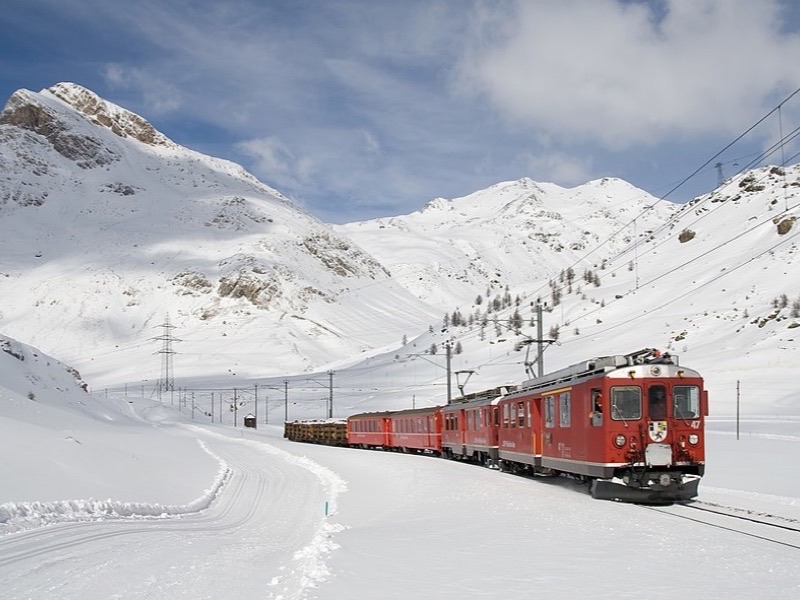
Every major Swiss summit railway with honest notes on which ones the Swiss Travel Pass covers fully, which ones give a discount, and which ones charge full fare regardless of what pass you hold. Includes Jungfraujoch, Gornergrat, Pilatus, Rigi, Stanserhorn, Titlis and the Schilthorn.
Read the railway guide →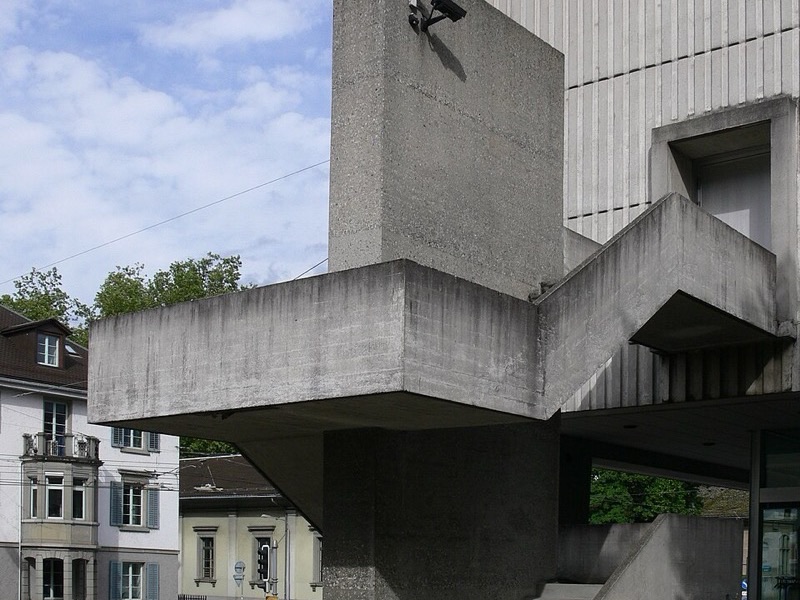
Alpine Lakes and Steamer Routes
Lake steamers on Lake Lucerne, Lake Geneva, Thunersee and Brienzersee are included free with the Swiss Travel Pass and at 50% with the Half Fare Card. This guide covers which routes are worth the time, the best departure points and how to combine a boat journey with a mountain railway ascent on a single day.
Read the lakes guide →
Art Museums Included with Your Pass
The Swiss Travel Pass's museum inclusion covers over 500 institutions including the Kunsthaus Zürich, Fondation Beyeler in Riehen, Zentrum Paul Klee in Bern and the Rietberg Museum. Entry would cost CHF 20–30 each at the door. Our guide covers the ones genuinely worth prioritising and how to plan a museum day without rushing.
Read the museums guide →Get a Route Plan
Not sure which pass fits your itinerary?
Send us your rough dates, planned destinations and budget. We will map the journey, calculate which pass saves the most and suggest a day-by-day framework — no charge, no obligation.