Water, depth & reflection
Switzerland's Alpine Lakes: From Steamer Decks to UNESCO Shores
Five lakes, five distinct personalities. Whether you want a Belle Époque paddle steamer crossing Lake Lucerne at dusk, a vineyard-draped afternoon on Lake Geneva, or a silent hour beside the glacial turquoise of Brienz, this guide covers fares, ferry stops, swimming coves and the one high-alpine lake you should walk to at least once in your life.
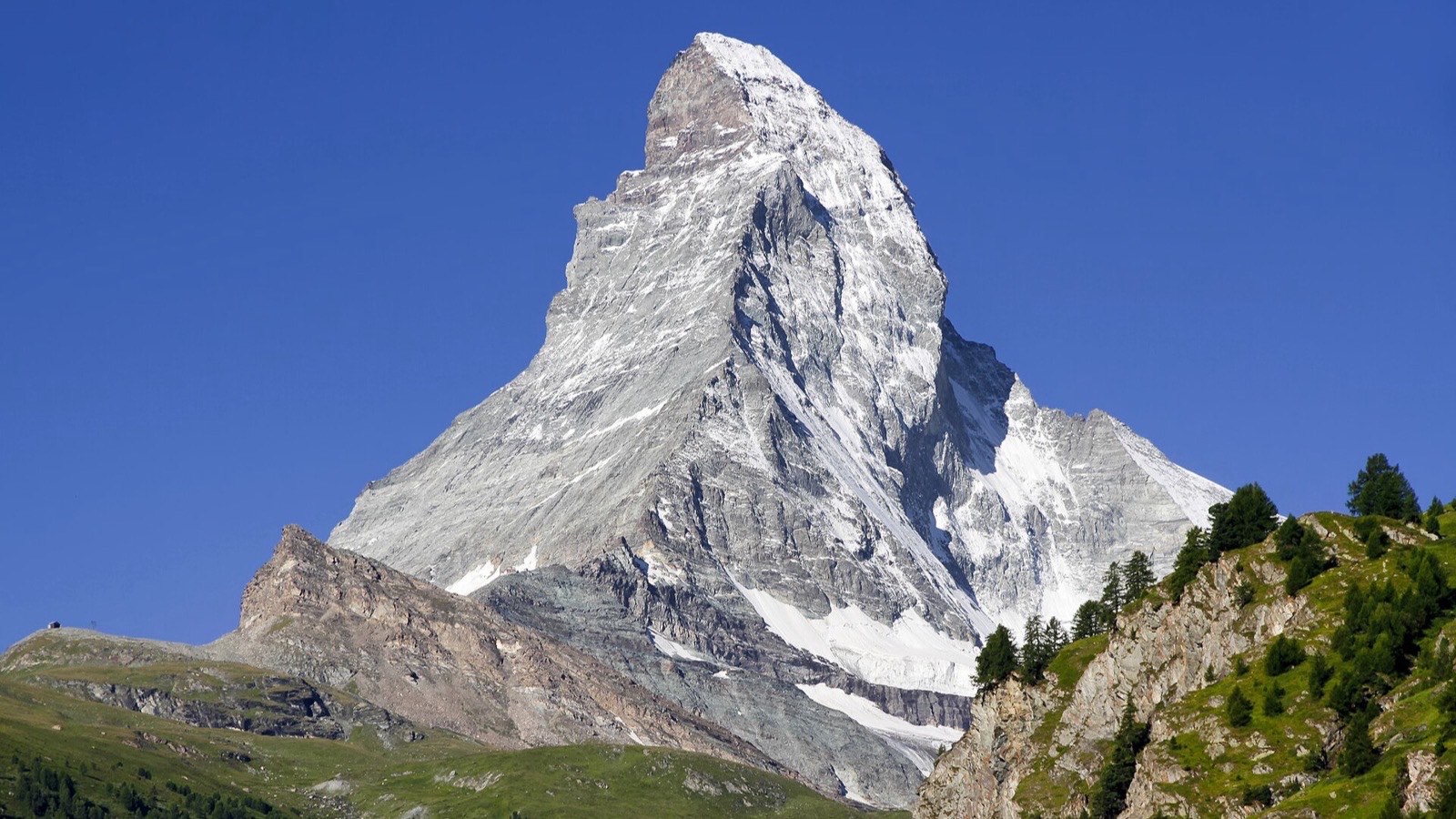
Why Swiss Lakes Reward a Slower Pace
Switzerland is most often sold to visitors through its summits — Jungfraujoch at 3,454 m, Gornergrat with the Matterhorn dead ahead, the cog railways grinding up to Pilatus and Rigi. But between the peaks lies an equally compelling world at water level. The country holds more than 1,500 lakes, and the five covered in this guide represent the full range: from the vast, mountain-ringed drama of Lake Lucerne to the sunlit, palm-fringed promenade of Lugano. Understanding how they differ — in temperature, transport options, surrounding landscape and what you can reasonably accomplish in a day — is the whole point of this page. We have spent time on all of them, usually off-season when the light is better and the boarding queues are shorter.
Each lake has a dedicated boat operator running scheduled services that accept the Swiss Half Fare Card and the GA Travel Card. For anyone planning a multi-day itinerary around Switzerland's water, we strongly recommend reading our travel pass comparison first: the Half Fare Card pays for itself within a single return lake crossing if you are buying individual tickets. Day passes on individual lakes are an alternative worth calculating against your specific itinerary.
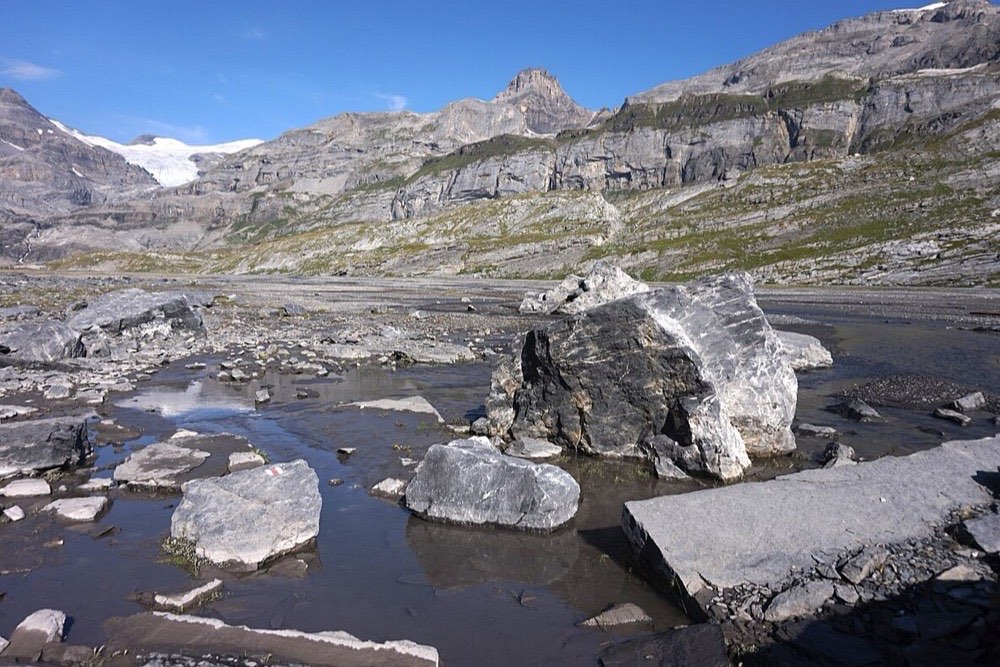
Five lakes reviewed
The Lakes at a Glance
Each card below summarises the essential visitor information. Detailed write-ups follow.
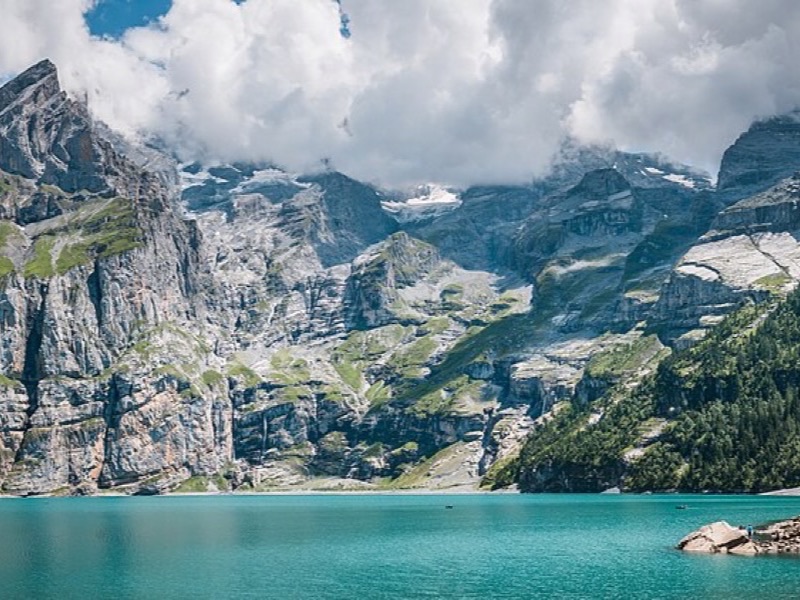
Lake Lucerne
The most dramatic setting of any Swiss lake, ringed by Pilatus, Rigi and Bürgenstock. Paddle steamers run April to October; day pass CHF 62 (half fare CHF 31). Best swimming: Kehrsiten and Weggis beaches, July–August.
Read full review →
Lake Geneva
Western Europe's largest alpine lake, shared with France. CGN fleet runs year-round. Lavaux UNESCO vineyards and Château de Chillon are the headline stops. Day pass CHF 56; Montreux–Chillon single CHF 8.40.
Read full review →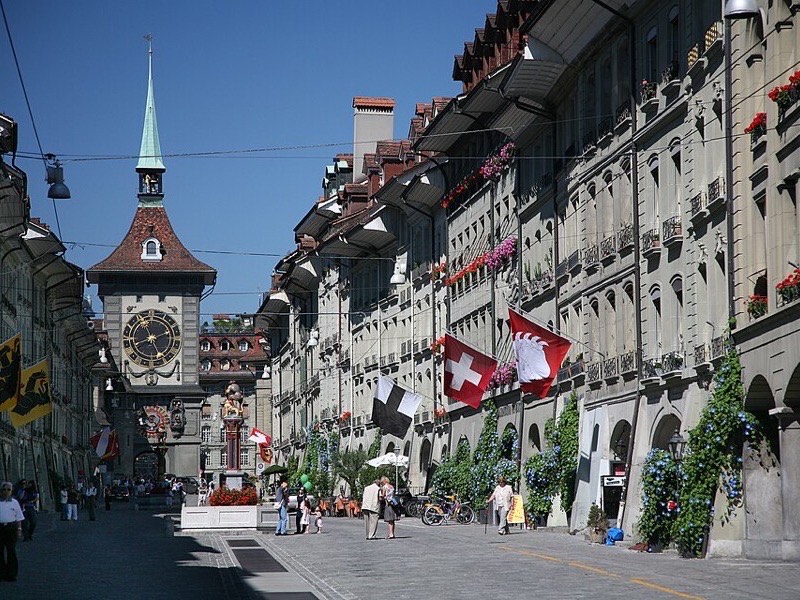
Lake Brienz
The most intensely coloured lake in the Alps — glacial meltwater from the Haslital gives it an extraordinary turquoise. BLS steamers connect Brienz and Interlaken Ost. Return fare CHF 34 (half fare CHF 17).
Read full review →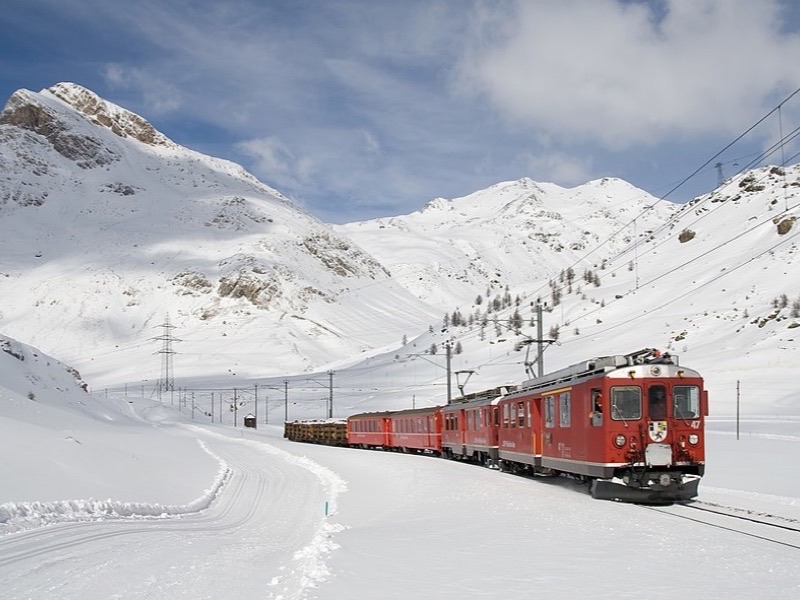
Oeschinensee
At 1,578 m above sea level above Kandersteg, this UNESCO-listed cirque lake is reached by gondola (CHF 28 return) then a 20-minute walk. Rowboat hire CHF 25/hour. No motor boats allowed; no crowds before 10:00.
Read full review →
Lake Lugano
Switzerland's southernmost major lake, shared partly with Italy. Mediterranean microclimate, palm-lined promenades, Monte San Salvatore funicular. NLL day pass CHF 31; Gandria boat village well worth the short crossing.
Read full review →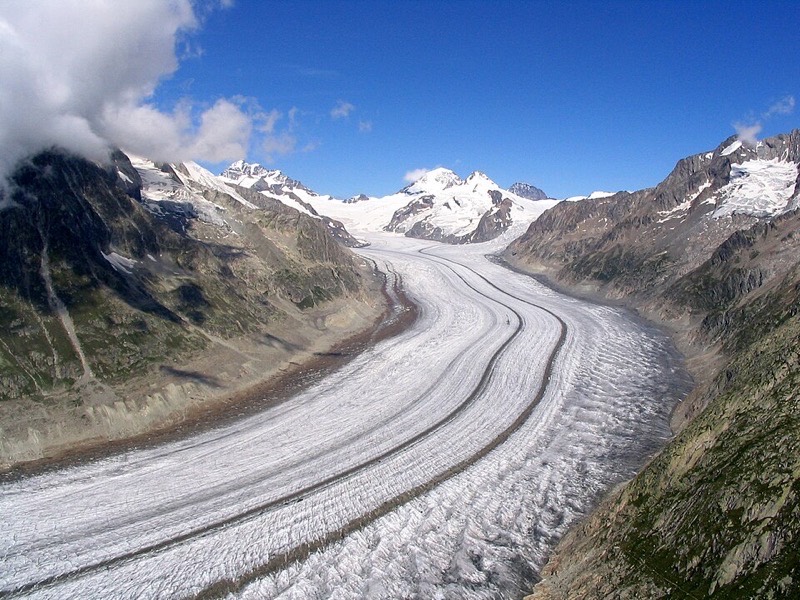
Passes & Seasons
Best months for lake travel: May–June for spring light and empty boats; July–August for swimming; September–October for colour. Half Fare Card (CHF 120/year) pays for itself on a single return crossing at full fare on most lakes.
Compare travel passes →Vierwaldstättersee
Lake Lucerne: Paddle Steamers and Mountain Panoramas
Lake Lucerne — Vierwaldstättersee in German, literally the Lake of the Four Forest Cantons — is shaped like a crooked arm reaching back into the mountains. It does not give up its full extent from any single viewpoint, which is precisely what makes a full-day boat circuit so compelling. The SGV fleet includes five historic paddle steamers, the oldest of which, the Stadt Luzern, entered service in 1928. These are not tourist novelties: they run on official schedules, stop at more than twenty landings and accept all standard Swiss travel passes. The main departure point is Lucerne's Bahnhofquai, a five-minute walk from the railway station across the famous Chapel Bridge.
The standard circuit worth planning is the round trip to Flüelen at the southern end of the lake, roughly four hours one way, giving views of the meadow at Rütli — the mythical founding site of the Swiss Confederation — and the sheer face of the Urirotstock. A day pass on SGV costs CHF 62 for adults (CHF 31 with Half Fare Card, free with GA). If you are combining the lake with the Pilatus cog railway from Alpnachstad or the Rigi rack railway from Vitznau or Weggis, ask about the combination tickets: the round trip involving boat, cog railway and cable car to Pilatus Kulm can be booked as a package (approx. CHF 99 with Half Fare Card). For everything related to mountain rail connections, our mountain railways guide covers Pilatus, Rigi and Stanserhorn in detail.
For swimming, the lakeside villages of Weggis and Vitznau on the northern shore have free public beaches with clean water and views across to Brunnen. Water temperature in July and August averages 21 °C at the shore. The beach at Kehrsiten, served by its own small boat landing, is quieter than the main resort villages and has no entry charge. If you are planning a family outing that combines swimming with a gondola ride up Bürgenstock, the complex on the cliff above the lake is accessible by boat from Kehrsiten — see also our family attractions guide for the full logistics.
Lac Léman
Lake Geneva: Lavaux Vineyards, Château de Chillon and the CGN Fleet
At 580 square kilometres, Lake Geneva is the largest body of water in the Alps and carries a different atmosphere from anything else in Switzerland: broader, more open to the sky, with the Jura mountains to the north and the Chablais Alps and Mont Blanc massif to the south. The French shore — Évian-les-Bains, Thonon, Yvoire — is reachable on international CGN routes without any border formality if you are staying on the boat. The Swiss shore runs from Geneva in the west through Lausanne, Vevey and Montreux to the eastern end at Le Bouveret, where the Rhône enters the lake.
The single greatest day on Lake Geneva begins with the train to Cully or Lutry in the Lavaux wine region, followed by a walk through the UNESCO-listed vineyard terraces to Vevey — roughly three hours at an easy pace, with the lake glittering 200 metres below through the vine rows. Lavaux earned its World Heritage status in 2007 for the continuous cultivation of these steep terraces since the 11th century. From Vevey, board a CGN boat to Montreux (CHF 9.60 full fare, approx. 25 minutes) and walk the 3 km lakeshore path to Château de Chillon. The 13th-century fortress sits on a rocky promontory directly above the water; admission is CHF 14.50 for adults. The dungeon and the great hall are genuinely impressive, and the view back towards Montreux and the Rochers-de-Naye gives a sense of the lake's scale that no map conveys. The Montreux Jazz Festival, held each July, takes the whole town over — if you are visiting in that window, book accommodation months ahead and plan boat journeys around the extra passenger volume on CGN services.
Swimming on Lake Geneva is best at the public beaches of Pully and St-Sulpice east and west of Lausanne, and at the Plage de Vidy, which has changing rooms, a kiosk and a lifeguard in July and August. Water temperature peaks at around 22 °C in late July. The lake's size means afternoon winds — the Bise from the northeast and the Vent from the southwest — can make the surface choppy by mid-afternoon; early morning crossings are noticeably calmer.
Brienzersee
Lake Brienz: The Turquoise Lake of the Bernese Oberland
Photographers often assume the colour of Lake Brienz has been edited. It has not. The extraordinary intensity — a deep, cold turquoise that shifts towards jade in shadow and almost electric cobalt under high sun — comes from glacial flour suspended in the meltwater flowing in from the Haslital valley at the lake's eastern end. The Aare river and the Weissenbach torrent deposit finely ground limestone particles too small to settle quickly, holding the colour through the summer months. The effect is strongest in June and early July, immediately after snowmelt peaks; by September the suspended particles have largely settled and the colour moderates to a more conventional lake blue.
BLS operates a fleet of scheduled steamers between Interlaken Ost and Brienz, calling at Ringgenberg, Niederried, Oberried, Giessbach and Iseltwald along the south shore. The crossing from Interlaken Ost to Brienz takes approximately 75 minutes at the full lake pace; a return ticket costs CHF 34 (CHF 17 with Half Fare Card; free with GA). The Giessbach stop is the one most visitors miss: a short funicular — Switzerland's oldest, dating to 1879 — climbs from the boat landing to the Grand Hotel Giessbach above the falls. Lunch on the hotel terrace costs more than you might spend elsewhere in the Oberland, but the waterfall backdrop earned its place on the Swiss 50-franc note for a reason. Iseltwald village, on a narrow peninsula with two small beaches, is quieter and better suited to swimming; water temperature in July reaches 19–20 °C.
From Brienz itself, two excursions extend the day well. The Brienzer Rothorn narrow-gauge steam railway climbs 1,600 m to the summit at 2,350 m — covered in our mountain railways review. The Ballenberg Open Air Museum, a 20-minute walk or short bus ride from the landing, assembles more than 100 historic farm buildings from across Switzerland on a 66-hectare site. Adult admission CHF 28. If you are travelling with children, both the steam railway and Ballenberg rank among the most genuinely engaging half-days in the Bernese Oberland — see our family attractions page for practical details.
UNESCO World Heritage · 1,578 m a.s.l.
Oeschinensee: The High-Alpine Lake Above Kandersteg
Oeschinensee is the one lake in this guide that requires vertical effort to reach, and that effort is precisely what gives it its atmosphere. Enclosed on three sides by the sheer limestone walls of the Blüemlisalp, Fründenhorn and Doldenhorn, with near-permanent snow patches on the upper faces even in August, the lake sits at 1,578 m and was inscribed as part of the Swiss Alps Jungfrau-Aletsch UNESCO World Heritage Site in 2001. The absence of motor traffic — no road reaches it — means the silence is real: wind, water, occasional cowbells. This is not the silence of a noise-cancelling headset; it is the silence of a place that has not needed to be quiet because nothing loud has ever arrived.
The practical approach from Kandersteg village is straightforward. Walk or take the local bus to the Oeschinensee Gondelbahn valley station (5 minutes from Kandersteg railway station). The gondola runs from mid-May to late October, with the first car at 08:30 and last descent at 17:30; in July and August the first car operates at 08:00. A return ticket costs CHF 28 for adults, CHF 17 for children aged 6–15; children under 6 travel free. From the upper station at 1,685 m, a well-marked, easy trail descends to the lake shore in approximately 20 minutes. A summer toboggan run operates from the upper station — more relevant for families; details in our family attractions guide.
At the lake, rowboat hire from the Berghotel Oeschinensee costs CHF 25 per hour for a four-person boat. No motorised craft are permitted — a rule that is enforced and contributes directly to the lake's extraordinary stillness. Swimming is possible from the small beach beside the hotel from late June; water temperature rarely exceeds 14 °C even in the warmest summers given the altitude and the cold inflows from glacial streams. If you are considering a full alpine circuit rather than returning by gondola, the trail via the Heuberg and Unterbergli back down to Kandersteg takes approximately 2.5 hours and is graded T2 (mountain hiking), manageable for anyone with basic walking boots. Kandersteg itself, in the Bernese Oberland, connects directly by train to Spiez and then to Interlaken — making it feasible to combine Oeschinensee in the morning with a Lake Brienz steamer in the afternoon.
Lago di Lugano · Ticino
Lake Lugano: Switzerland's Mediterranean Corner
Cross the St. Gotthard Pass — or more likely take the 57-minute direct train through the Gotthard Base Tunnel from Zürich to Lugano — and Switzerland turns visibly Italian. The lakeside promenade is lined with palms and oleanders, the architecture is Italianate, the language is Italian, and the afternoon light has the low-angled warmth that belongs to the south. Lake Lugano sits at 271 m above sea level, considerably lower than the central alpine lakes, and its sheltered position between the forested ridges of Monte San Salvatore to the west and Monte Brè to the east gives it a genuinely mild microclimate: Lugano records more sunshine hours than any other Swiss city. The lake itself is divided between Switzerland (most of the northern portion) and Italy (the southern bays around Porlezza and Porto Ceresio), though for day-visitors on NLL scheduled boats this border is largely academic.
The NLL (Navigazione Lago di Lugano) fleet operates scheduled services from the Lugano landing stage on the central promenade. A day pass covering all routes costs CHF 31 for adults. The most rewarding short crossing is to Gandria, a car-free village of stacked Italianate houses clinging to the cliff face 20 minutes east of Lugano by boat. From Gandria, the Sentiero di Gandria footpath runs back along the lakeshore to Lugano in about 75 minutes, largely flat and well shaded — a genuinely excellent walk that ends back in the city without requiring any retracing of steps. The path passes the Swiss Customs Museum, an unexpectedly entertaining free attraction housed in a former customs post.
For a longer day, the Monte San Salvatore funicular from the Paradiso district (CHF 28 return for adults) climbs to the 912 m summit with a 360-degree panorama that on clear days extends as far as the Bernese Alps and the Po plain. The restaurant at the top is reliably good by Swiss mountain standards, and the descent on foot through the Carona village back to the funicular base is worthwhile if the group is not too tired. Lake Lugano connects naturally to the broader Ticino art scene: the Hermann Hesse Museum in Montagnola is 20 minutes by postal bus from Lugano Paradiso, and the collection of sacred art at the Villa Ciani in the Parco Civico is free of charge. For more on Ticino's museum and gallery circuit, see our art museums guide.
Comparison
Boat Cruise Fares and Key Facts
All fares are standard adult second-class fares for the main route on each lake. Half Fare Card holders pay 50%; GA Travel Card is valid at no extra charge on all scheduled services listed.
| Lake | Operator | Main Route | Duration | Full Fare | Half Fare | Day Pass | Season |
|---|---|---|---|---|---|---|---|
| Lake Lucerne | SGV | Lucerne – Flüelen | ~4 h one way | CHF 48 | CHF 24 | CHF 62 / CHF 31 | Year-round (steamers Apr–Oct) |
| Lake Geneva | CGN | Geneva – Lausanne – Montreux | ~3.5 h one way | CHF 48 | CHF 24 | CHF 56 / CHF 28 | Year-round |
| Lake Brienz | BLS | Interlaken Ost – Brienz | ~75 min one way | CHF 17 | CHF 8.50 | CHF 34 / CHF 17 | May – Oct |
| Oeschinensee | Gondelbahn + walk | Kandersteg – Gondola – Lake | ~35 min total | CHF 28 return gondola | CHF 14 | n/a | Mid-May – late Oct |
| Lake Lugano | NLL | Lugano – Gandria – Porlezza | ~60 min one way | CHF 20 | CHF 10 | CHF 31 / CHF 15.50 | Year-round (reduced winter) |
Fares correct as of 2026. Always verify current timetables and prices directly with the operating company before travel. Supplement charges may apply on special dinner cruise departures.
Seasons and planning
When to Visit Each Lake
The question of timing is more consequential for lake travel than for most other types of Swiss trip. Unlike mountain summits — where the cable car simply stops running in bad weather — lake boats run according to a timetable regardless of conditions, and the experience varies enormously depending on season. High summer (mid-July to mid-August) delivers the warmest swimming water and the most reliable sunshine, but also the highest volumes of passengers. The Belle Époque steamer experience on Lake Lucerne loses some of its atmosphere when you are sharing the main deck with two coach-party groups. Early June and September are, in our view, the best months: the boats are running their full summer schedules, the light is lower and more photogenic, and the mountains hold lingering snow at altitude that gives views above the lakeshores an extra vertical dimension.
For Oeschinensee specifically, the window between mid-June and mid-July is optimal: the snow has cleared from the approach trail but the glacial inflows keep the colour at its most vivid. After mid-August the crowds on the walk from the gondola station reach a density that somewhat defeats the purpose. For Lake Brienz, the turquoise intensity is strongest in June when glacial meltwater is at its peak — by September the colour moderation is noticeable. Lake Lugano is the exception to every seasonal rule: its Mediterranean microclimate makes April, May and October genuinely pleasant for boat travel, and the summer heat in July can feel oppressive by Swiss standards.
If you are planning a multi-lake itinerary, our recommended logical sequence from a transport efficiency standpoint is: Lucerne and Brienz in a two-day Bernese Oberland loop (combined with the Brienzer Rothorn and a night in Interlaken), then Oeschinensee as a day trip from Kandersteg on day three, Lake Geneva on day four or five (with a Lavaux walk and Chillon visit), and Lugano as the southbound finale before returning via the Gotthard. The Swiss Travel Pass covers all these boat services and the connecting trains; it is almost certainly the most economical option for a six- to eight-day lake itinerary.
Swimmers should note that all five lakes have free public access points. None require purchase of an entry ticket for basic shoreline access, though municipally operated lido facilities (changing rooms, lockers, lifeguards) charge between CHF 6 and CHF 10 per person. The coldest swimmable water is at Oeschinensee (10–14 °C), the warmest at Lake Lugano (24–26 °C in August at the shoreline).
Connecting the dots
Lakes as Part of a Wider Swiss Itinerary
None of the lakes described here sits in isolation. Lake Lucerne is ringed by the same mountains that the rack railways and cable cars serve — Pilatus from Alpnachstad, Rigi from Vitznau, the Stanserhorn from Stans. A morning steamer crossing followed by an afternoon on a mountain railway is one of the most satisfying double-header days Switzerland offers, and the mountain railways guide covers the combinations in detail. On the cultural side, Lucerne's Kunstmuseum and the Richard Wagner Museum on the lake's eastern outskirts represent the city's surprisingly strong art infrastructure — cross-referenced in our art museums guide.
Lake Geneva connects naturally to the French-speaking old towns — Lausanne's medieval Cité, Vevey's Tuesday market, Gruyères up in the pre-Alps — and the broader Romandy cultural circuit. Our old towns guide covers Vevey and the region in more depth. The Montreux Jazz Festival in July and the Lausanne Christmas market are the two events most directly associated with the lakeside, both covered in our seasonal events guide. For families visiting with children, the Glacier 3000 cable car above Gstaad (accessible from the Lake Geneva rail network) and the Aquaparc at Le Bouveret at the lake's eastern end are the strongest choices — we review both in family attractions.
Common questions
Frequently Asked Questions
Water temperatures in most alpine lakes peak between late June and early September. Lake Lucerne and Lake Geneva reach 20–22 °C at their warmest in July and August. Higher-altitude lakes like Oeschinensee remain cold (10–14 °C) even in summer, making wetsuits advisable for extended swims. Spring and autumn are ideal for boat cruises without the crowds.
Yes. The Swiss Half Fare Card reduces standard fares by 50% on all SGV (Lake Lucerne), CGN (Lake Geneva), and BLS (Lake Brienz) scheduled services. The GA Travel Card (General Abonnement) covers all scheduled lake steamer services at no additional cost. Supplement charges apply only on a handful of special dinner cruises and private charter bookings.
From Kandersteg village, take the Oeschinensee gondola (Oeschinensee Gondelbahn) to the upper station at 1,685 m. The gondola runs from mid-May to late October, with the first car departing at 08:30 and the last descent at 17:30. A return gondola ticket costs CHF 28 for adults (CHF 17 for children 6–15). From the upper station, a well-marked trail descends gently to the lake shore in about 20 minutes.
Yes. CGN operates scheduled services on Lake Geneva stopping at the Chillon landing stage, which sits directly below the castle walls. From Lausanne-Ouchy the journey takes approximately 90 minutes; from Montreux it is a short 15-minute crossing. A one-way second-class ticket from Montreux to Chillon costs around CHF 8.40 without a travel pass. Castle admission is CHF 14.50 for adults.
Absolutely. Lake Lugano's southern climate, Mediterranean vegetation and proximity to the Monte San Salvatore and Monte Brè funiculars make it a very different experience from any German-Swiss lake. The Gandria boat stop allows a scenic walk back along the lakeshore into Lugano city. Boat services are operated by NLL (Navigazione Lago di Lugano) and a day pass costs CHF 31 for adults.
Ready to plan your lake circuit?
We Can Build Your Itinerary Around the Water
Tell us which lakes interest you, how many days you have and whether you want to combine boat travel with mountain railways or cultural stops. We will put together a practical day-by-day plan with real connections and realistic timings.