Skip to content
W Kunsthaus Wanderwege
26
Cantons covered across the four language regions
140+
Railways, lakes, parks and museums documented
2014
Writing from Zürich since the first edition
Independent travel notes

Switzerland, read the way locals actually travel it

Kunsthaus Wanderwege is an independent guide to the places that make a Swiss trip worth the train fare: cogwheel railways climbing to Jungfraujoch, the turquoise water of Lake Lucerne, the bears of the Swiss National Park, and the art houses of Zürich and Basel. We do not sell tickets. We write down what is genuinely worth your time, what each visit costs, and how to reach it without a car.

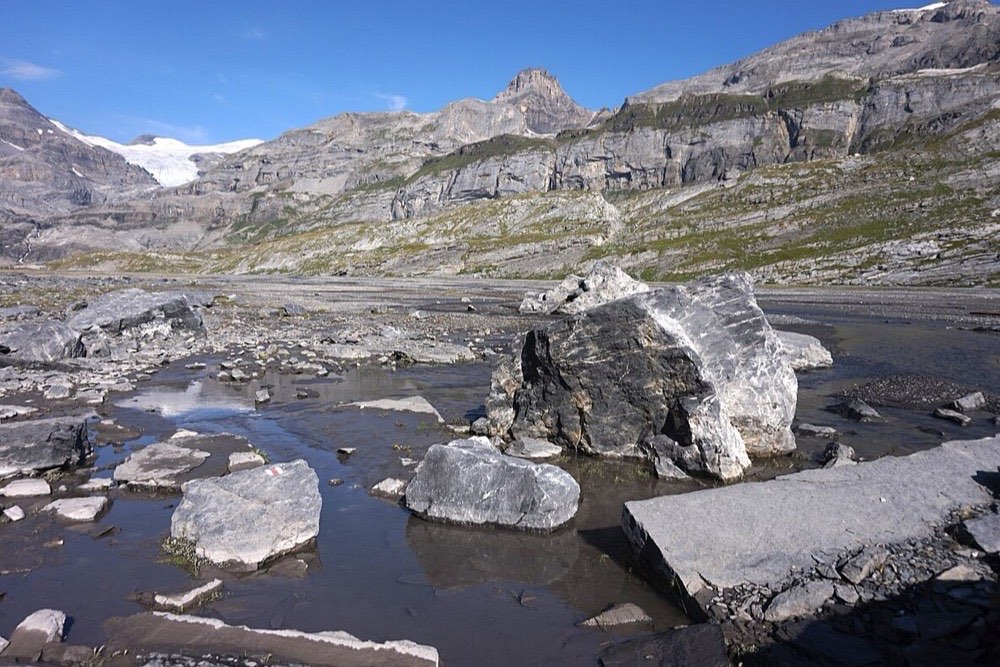
Granite alpine ridges fading into haze under a pale Swiss sky
Where to start

Four kinds of Switzerland, one guide

The country is small enough to cross in four hours and varied enough that no two valleys feel the same. We group everything we cover into themes so you can build a trip around the things you actually care about — height, water, wilderness, or culture — instead of ticking off a generic top-ten list.

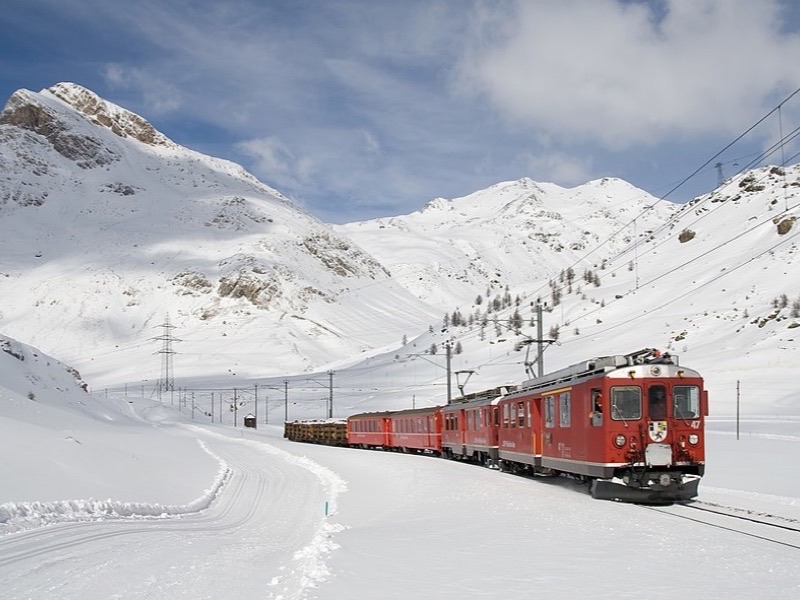
Red cogwheel train on a steep mountain track
Height

Mountain railways

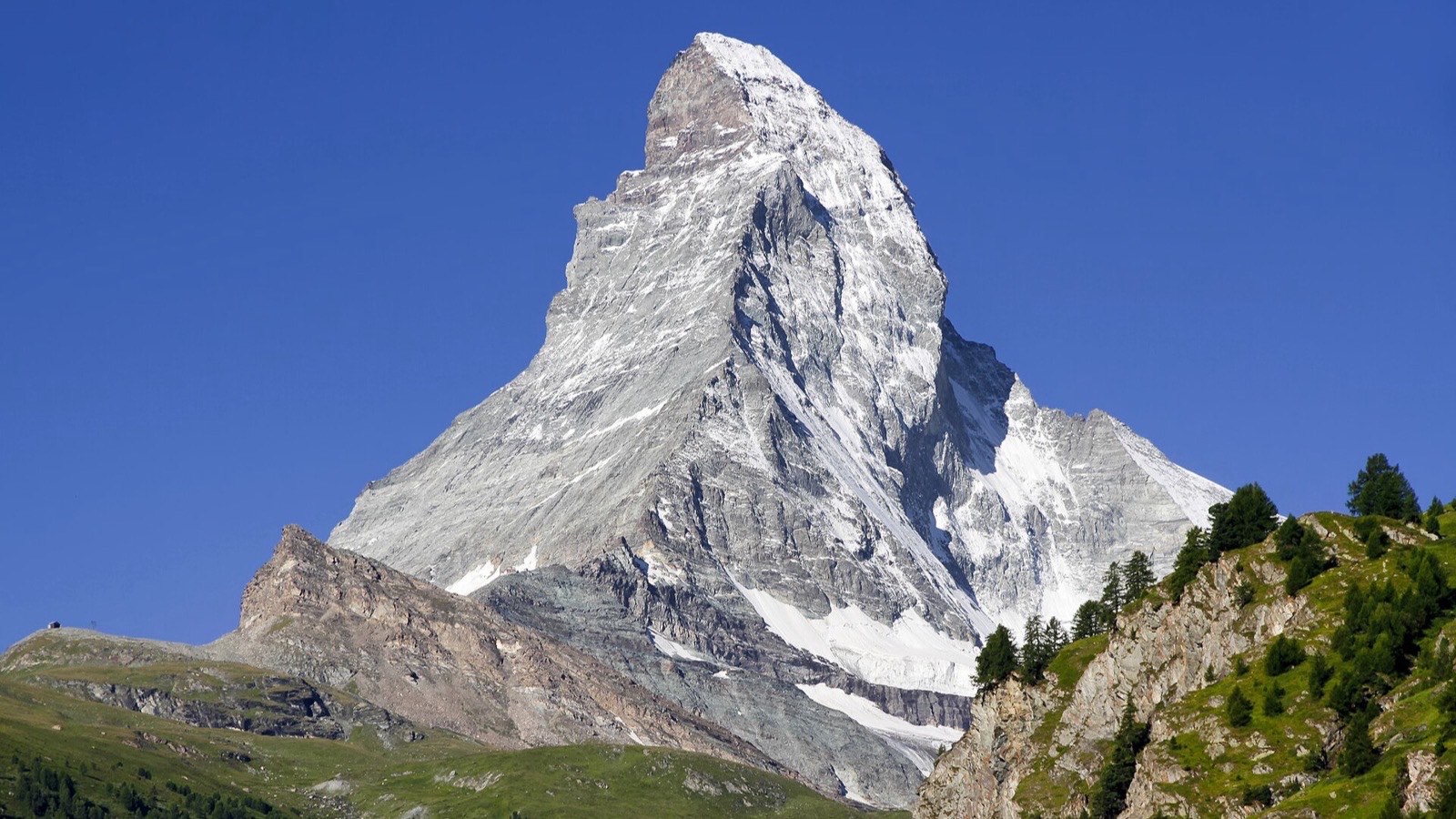
From the Gornergrat above Zermatt to the Pilatus cogwheel — the steepest in the world — we cover which summit trains earn their fare in cloud and which reward you with the Matterhorn in full view.

Read the railway guide
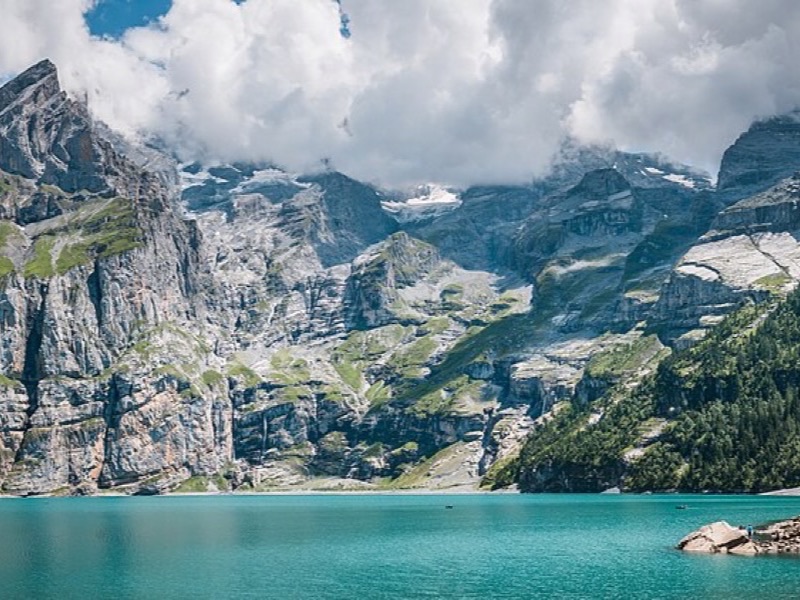
Turquoise alpine lake ringed by forested slopes
Water

Alpine lakes

Lucerne, Geneva, Brienz and the quieter Oeschinensee. Where to swim, which paddle-steamers are worth boarding, and how the regional travel passes change the maths for lake cruises.

Read the lakes guide
Forested valley inside a Swiss national park
Wilderness

National parks

The Swiss National Park in the Engadine is the only one of its kind in the Alps where nature is left entirely alone. We cover the marked trails, the wildlife you can realistically see, and the rules that keep it wild.

Read the parks guide
Quiet gallery interior with framed paintings
Culture

Art museums

The Kunsthaus Zürich, the Fondation Beyeler near Basel and the Paul Klee centre in Bern hold collections most capitals would envy. We note the standing collections, the major shows, and the free evenings.

Read the museum guide
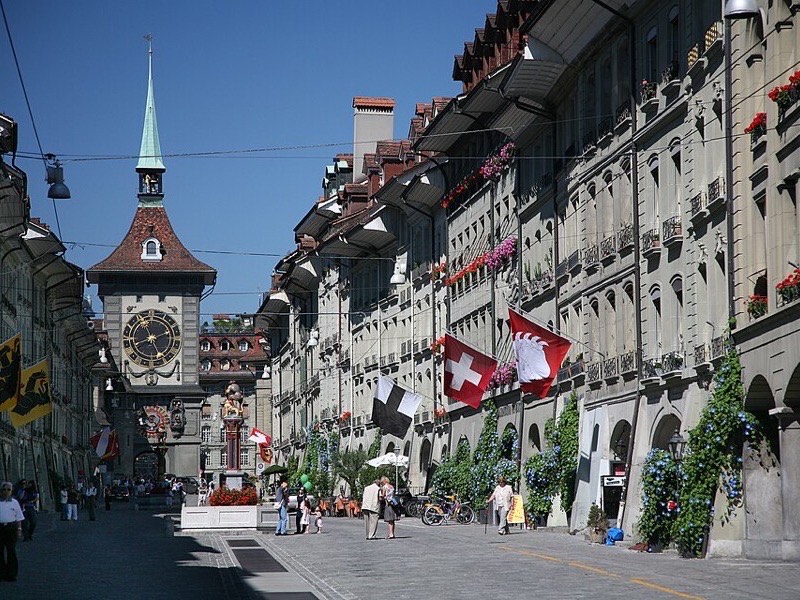
Cobbled lane in a medieval Swiss old town
On foot

Old towns

Bern's arcades, the painted façades of Stein am Rhein, the medieval core of Lucerne. The Swiss old towns are walkable, free, and often the best part of a rainy day.

Read the old-town guide
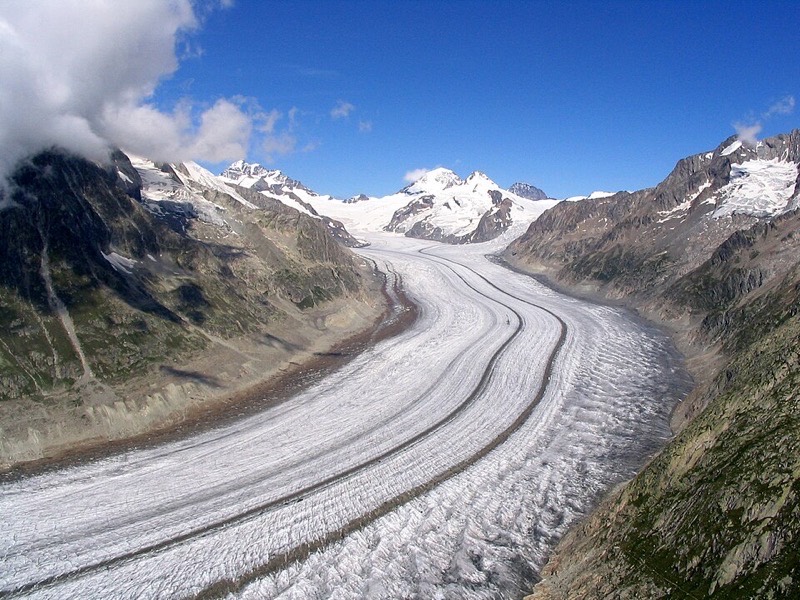
Glacier seen from a viewing platform
All year

Seasonal events

Fasnacht in Basel, the Montreux Jazz Festival, the alpine cattle descent in autumn. We track when the events that locals plan around actually happen and whether they are worth the crowds.

Read the events guide
How we work

Notes from people who take the train, not the press release

Most of what is written about Switzerland online is recycled from tourism boards or generated to sell a pass. Our notes come from repeated visits in different seasons. We ride the railways in low cloud as well as on clear mornings, because that is what most travellers actually get. We sit in the museums on a wet Tuesday and tell you whether the temporary show is worth the surcharge.

Every place we cover gets the same treatment: what it is, what it honestly costs in Swiss francs, how long to allow, how to reach it on public transport, and the one practical thing nobody tells you — that the Jungfraujoch is often above the clouds even when the valley is grey, or that the Oeschinensee is a forty-minute walk from the gondola, not beside it.

We earn nothing from ticket sales and we are not affiliated with the railways, the museums, or the cantonal tourism offices. When we recommend a regional travel pass, it is because the arithmetic works for a normal itinerary, not because anyone paid us to say so.

More about the guide
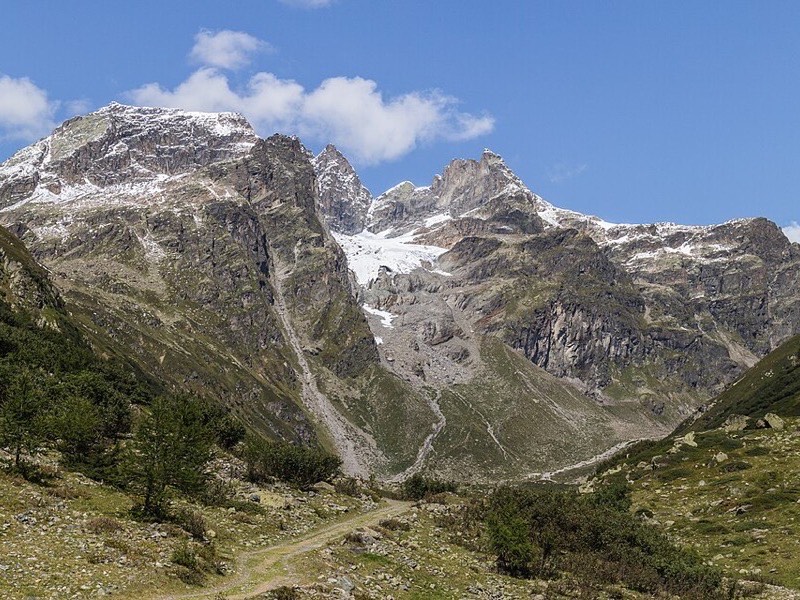
Stone-walled valley with a footpath leading toward distant peaks
Planning a first trip

Three steps to a route that works

Pick your themes

Decide whether the trip is about height, water, wilderness or culture. Most travellers mix two — a couple of summit railways and a lake cruise, say. Our themed guides let you shortlist quickly without reading a hundred listings.

Check the practical notes

For every place we record opening times, the current adult fare, transfer times from the nearest city, and whether a regional pass covers it. This is where a Swiss trip is won or lost — the connections are superb but unforgiving if you miss one.

Ask us the awkward question

Wondering whether the Glacier Express is worth a full day, or which museum suits children? Send the desk a note. We answer route questions from real reading, and we will tell you when something is overrated.

Common questions

Before you go

No, and most of the time a car is a liability. The Swiss network of trains, postal buses, boats and mountain railways reaches almost every place in this guide, runs to the minute, and is integrated under one ticket system. We note any spot where a car genuinely helps — there are very few.
It depends on your route. The pass covers most trains, buses and boats, plus free entry to over 500 museums, and gives discounts on mountain railways. For a trip of four days or more that mixes cities, lakes and a couple of summits, it usually pays off. Our pricing page breaks down when it does and does not.
June to September for the high mountain railways and lake swimming; late September for the autumn colours and cattle descents; December to March for the Christmas markets and Fasnacht. The shoulder months of May and October are quietest and often the best value, though some summit attractions close for maintenance.
More than most of Europe, but predictable. A summit railway return runs CHF 60–230, a major museum CHF 15–25, a lake cruise CHF 30–60. Tap water is excellent and free everywhere, picnics by the lake are normal, and a half-fare card halves most transport for any stay over a few days.
German, French, Italian and Romansh, depending on the region — Zürich and Bern are German-speaking, Geneva and Lausanne French, Lugano Italian. English is widely understood in all tourist areas and at every place in this guide. Signage on the transport network is consistent and easy to follow.

Building a Swiss itinerary?

Tell us how many days you have and what you care about. We will point you to the routes worth your francs — and the ones to skip.